
Blue collar jobs are the backbone of many industries but are often misunderstood. This article by terra explains what blue collar jobs, the true blue collar meaning, and how a blue collar worker differs from office roles.
What is blue collar? (blue collar meaning explained)
Before comparing job types or career paths, it’s important to clearly understand what blue collar means in today’s labor market. The concept has evolved beyond uniforms and physical work stereotypes, now covering a wide range of roles with different skill levels, responsibilities, and income structures.

Blue collar meaning – Simple and clear definition
The term blue collar refers to types of work that focus on hands-on tasks rather than desk-based activities. In simple terms, blue-collar roles are jobs where physical effort, technical execution, or operational skills play a central role in daily work. These positions often support core production, maintenance, and service functions that keep businesses and economies running.
While the phrase originally related to durable work clothing, today’s blue collar meaning is more about the nature of the work itself. It highlights roles that rely on practical skills, tool usage, and on-site execution, rather than administrative or purely cognitive tasks. Importantly, modern blue-collar jobs can range from entry-level work to highly skilled trades requiring certification, training, or years of experience.

What is a blue collar worker?
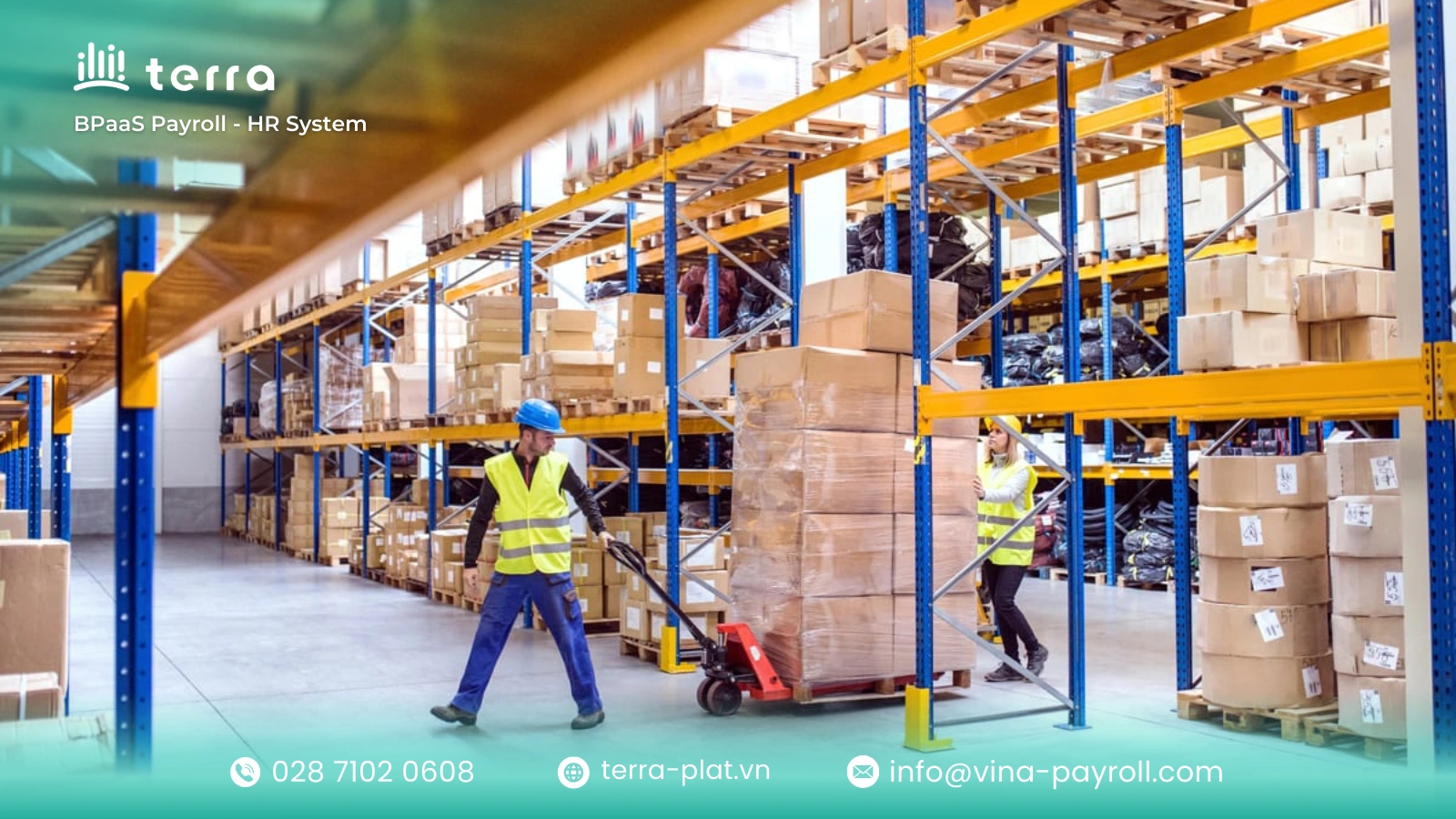
Blue collar jobs are roles that focus on hands-on, operational, or technical work rather than office-based tasks. These jobs typically involve physical activity, equipment operation, or on-site execution and are common in industries such as manufacturing, construction, logistics, maintenance, and utilities.
Today’s blue-collar workforce is more diverse than traditional stereotypes suggest. Many workers receive formal vocational training, apprenticeships, or industry-specific qualifications. Their income structure may vary, some are paid hourly, while others earn fixed wages or performance-based pay depending on the industry and country. Despite changing work patterns, blue-collar workers remain essential contributors to productivity, safety, and service delivery across sectors.

What are blue collar jobs? Common industries and job examples
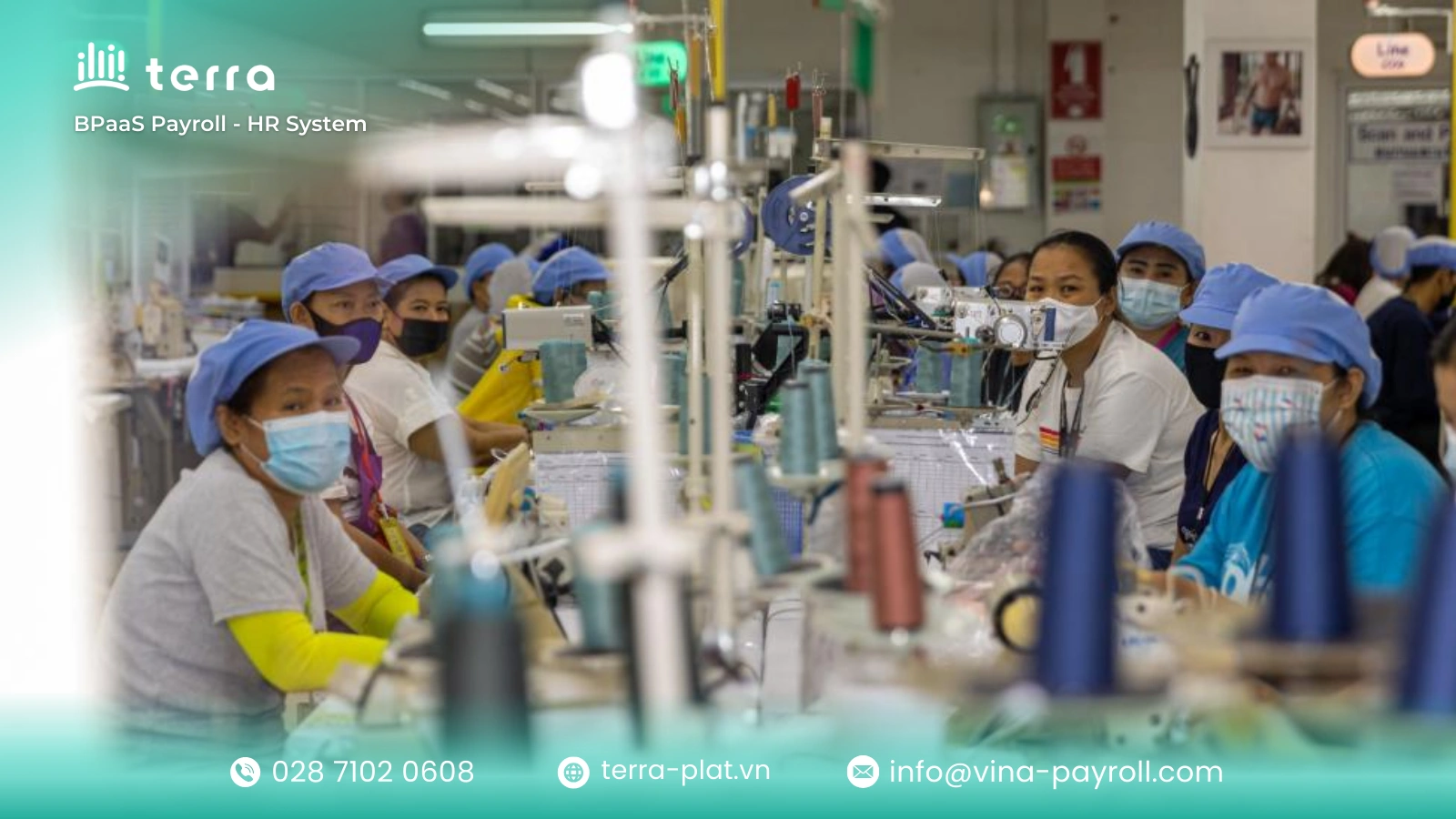
Blue collar jobs appear across a wide range of industries where physical presence, equipment handling, or operational expertise is required. Common sectors include construction, manufacturing, transportation, logistics, maintenance, agriculture, and utilities.
Manufacturing & production
- Factory workers – Assemble products, handle materials, and support production lines
- Machine operators – Operate and monitor industrial machinery to ensure output quality
- Welders – Join metal components using specialized tools and safety procedures
Construction & infrastructure
- Construction laborers – Perform on-site physical work that supports building projects
- Electricians – Install, maintain, and repair electrical systems in industrial and commercial sites
Transportation, logistics & maintenance
- Mechanics – Repair and maintain vehicles, equipment, and mechanical systems
- Technicians – Handle technical maintenance, diagnostics, and operational troubleshooting
Some blue collar jobs focus on routine tasks, while others require high levels of technical precision, safety awareness, and problem-solving skills. As industries modernize, many blue-collar roles now integrate technology, automation, and specialized tools—reshaping both skill requirements and career potential. Understanding what blue collar jobs are helps employers better target hiring efforts and design effective training programs.
However, what really separates blue collar roles from office-based work in terms of skills, income, and career growth?
Difference between white collar and blue collar jobs
The difference between white collar and blue collar jobs lies in how work is done, the skills required, and the environments where employees operate.

White collar and blue collar – Origins and definitions
Understanding the basic difference between white collar and blue collar starts with how these roles originated and how their meanings have evolved in today’s workforce.
| Aspect | White collar | Blue collar |
| Original meaning | Linked to office professionals and clean work attire | Linked to hands-on roles and durable work clothing |
| Typical type of work | Administration, management, analysis, and communication | Physical execution in more demanding environments |
| Traditional work setting | Cleaner indoor office environments | Worksites requiring physical effort |
| How the roles have evolved | Some roles now operate in remote or hybrid models using digital tools | Many roles now require specialized training, certifications, and technical judgment |
But today, these terms still matter, but they don’t tell the whole story. Many blue-collar careers now require specialized training, certifications, and technical judgment, while some white-collar roles have moved into remote or hybrid models and rely heavily on digital tools. In other words, “collar color” is best understood as a work style (hands-on vs. desk-focused), not a strict ranking of skill or pay.
Difference between white collar and blue collar jobs
To clearly see the difference between white collar and blue collar jobs, consider this breakdown:
| Aspect | White-collar jobs | Blue-collar jobs |
| Nature of work | Emphasize planning, analysis, decision-making, coordination, and communication | Focus on building, fixing, operating, transporting, and maintaining tangible outputs |
| Work environment | Primarily office-based or remote/hybrid settings | Factories, warehouses, construction sites, outdoor locations, and client sites |
| Skills and training | Academic degrees, formal education, and professional experience | Trade schools, apprenticeships, hands-on training, and technical certifications, vocational training |
| Pay structure | Usually fixed monthly salaries | Commonly hourly or shift-based, with overtime affecting take-home pay |
| Work-life boundaries | Flexible schedules but often blurred by deadlines and after-hours tasks | Clear clock-in/clock-out shifts tied to sites and operational coverage |
| Social perception | Traditionally viewed as more prestigious or status-oriented | Often undervalued despite being essential to production and safety |
Why this distinction matters:
Understanding these differences helps job seekers choose careers aligned with their strengths, and enables employers to design fair compensation, training, and workforce strategies across both job types.
Who is best suited for blue collar jobs?
Blue-collar careers tend to fit people who prefer hands-on problem solving and learn best through doing, not just reading or meetings. You’re likely well-suited for blue-collar work if you:
- Enjoy practical tasks and seeing immediate results from your effort
- Feel comfortable working with tools, machines, or technical procedures
- Can follow safety rules carefully and stay focused in active environments
- Like structured shifts and clear daily output expectations
- Want growth through skills-building (certifications, specialization, supervision roles) rather than purely academic routes
That said, “best suited” doesn’t mean “one track forever.” Many people move between collars over time, especially as technology reshapes both job types and creates hybrid roles that mix field operations with planning, reporting through digital tools.

The role of blue collar workers in modern businesses
In an era dominated by digital platforms, automation, and data-driven strategies, it is easy to overlook the physical execution behind business success. However, blue collar labor remains the foundation that transforms strategies into measurable outcomes. Across industries, from factories and warehouses to ports and transport networks, blue-collar teams ensure continuity, efficiency, and operational resilience.

Importance in production and supply chain
The importance of blue-collar labor is most visible in production and supply chain operations. Without blue collar workers, business plans would remain theoretical. These workers assemble products, operate machinery, manage inventory, and move goods across regions and activities that directly impact output, delivery speed, and service reliability.
In manufacturing and production, blue-collar teams convert raw materials into finished goods while maintaining quality and safety standards. In transportation and logistics, drivers, operators, and dock workers keep supply chains moving, ensuring that materials and products reach markets on time. This is why blue collar jobs are deeply tied to national productivity, export performance, and global trade integration.
In Vietnam, blue-collar labor forms the backbone of industrial growth. Workforce availability and productivity directly influence Average salary in Vietnam and overall Labor cost, making effective workforce planning a strategic priority for businesses operating at scale.

HR challenges in managing blue collar workers
Despite their critical role, managing blue-collar teams presents unique HR challenges. High workforce mobility is common, as employees often switch jobs for marginal wage differences or more favorable shift patterns. This makes retention, scheduling stability, and cost control ongoing concerns for employers.
Another challenge lies in managing complex shift structures while ensuring compliance with labor regulations and workplace safety requirements. Unlike office roles, blue-collar work carries higher physical risk, requiring continuous training, monitoring, and incident prevention. Payroll accuracy is also essential, as compensation frequently involves overtime, night shifts, and variable allowances that affect Gross to net salary calculation.
To address these challenges, many organizations rely on structured payroll services from specialized providers like terra. These solutions help HR teams maintain compliance, reduce administrative burden, and provide transparency across large blue-collar workforces.

But how can businesses accurately calculate and control costs while remaining competitive in labor-intensive industries?
How to calculate and optimize blue collar labor cost
For organizations that depend heavily on blue collar labor, cost control is not a one-time calculation, it is an ongoing operational discipline. Unlike office-based roles with fixed monthly salaries, labor expenses for blue-collar teams fluctuate with production demand, shift patterns, and overtime. To manage profitability sustainably, businesses must understand both how labor costs are calculated and where optimization opportunities exist.

Labor cost structure for blue collar roles
To manage Labor cost effectively, employers need a clear view of every component contributing to total workforce expenses. For blue collar jobs, labor cost typically includes more than the headline hourly rate:
- Base pay: Hourly or shift-based wages linked directly to attendance
- Overtime premiums: Additional pay for extended hours, weekends, or holidays
- Shift allowances: Extra compensation for night or rotating shifts
- Mandatory insurance: Social, health, and unemployment insurance contributions
- Operational allowances: Meals, transport, or attendance-based incentives
Because these elements vary by role and industry, understanding the full cost structure is essential—especially when comparing workforce efficiency or benchmarking against the Average salary in Vietnam.

Labor cost formula and examples
Once the cost components are clear, the next step is accurate calculation. For blue-collar roles, payroll accuracy depends on a reliable Gross to net salary calculation, as take-home pay is affected by overtime rates and statutory deductions.
A simplified calculation process includes:
- Total gross earnings (regular hours + overtime + shift allowances)
- Mandatory insurance deductions
- Net pay received by the blue collar worker
Even small miscalculations such as incorrect overtime multipliers can lead to payroll disputes or compliance risks when scaled across large corporations.
Automating time tracking and attendance
Manual timesheets increase the risk of errors, disputes, and delayed payments. Modern organizations increasingly adopt biometric, RFID, or GPS-based clock-in systems to capture real-time attendance data.
When integrated with payroll services, automated time tracking improves transparency, reduces administrative workload, and ensures consistent compliance. In labor-intensive markets, many firms use payroll service in Vietnam or external payroll service providers to handle complex calculations involving overtime, night shifts, and statutory reporting.

Workforce scheduling and staffing optimization
Cost optimization does not come from wage suppression alone—it comes from smarter scheduling. Poor workforce planning leads to unnecessary overtime, idle labor, or fatigue-related safety risks. By analyzing production cycles, peak demand periods, and role-specific wages, managers can design shifts that balance coverage with efficiency.
Comparing staffing plans against benchmarks such as the Average salary in Vietnam helps organizations stay competitive while avoiding overstaffing. Many companies choose payroll outsourcing services or outsourced payroll services to gain deeper insight into workforce costs.

FAQs about blue collar
Below are some frequently asked questions to help employers better understand blue-collar workforce management and compliance in practice, especially when it comes to overtime regulations in Vietnam.
What are the common legal compliance risks associated with blue-collar overtime in Vietnam?
The biggest risks are exceeding overtime limits and misapplying overtime/night-work rates, errors that scale fast across shift teams. Vietnam guidance commonly cites caps such as up to 40 hours/month and 200 hours/year in typical cases, plus daily limits, so tracking needs to be precise.
How is technology changing the required skills for blue collar work?
Automation is raising the bar: operators are expected to read dashboards, handle barcode/RFID flows, troubleshoot machines, and follow stricter safety SOPs. This is where modern payroll solutions help too—linking attendance, shifts, and skill-based allowances to pay without manual errors.
Is it mandatory to use outsourced payroll services for blue collar teams in Vietnam?
Vietnamese labor law allows companies to manage payroll internally. However, for blue-collar jobs, payroll complexity is significantly higher due to hourly wages, rotating shifts, night work premiums, and strict overtime limits. Even a minor miscalculation such as applying the wrong overtime multiplier can quickly escalate into large-scale payroll disputes or compliance violations.
For this reason, many employers choose outsourced payroll services not because they are required, but because they reduce operational risk. Working with a specialized provider like terra helps ensure accurate calculations, consistent compliance with local regulations, and full transparency for both employers and workers.
Why businesses should use payroll services for blue collar workers
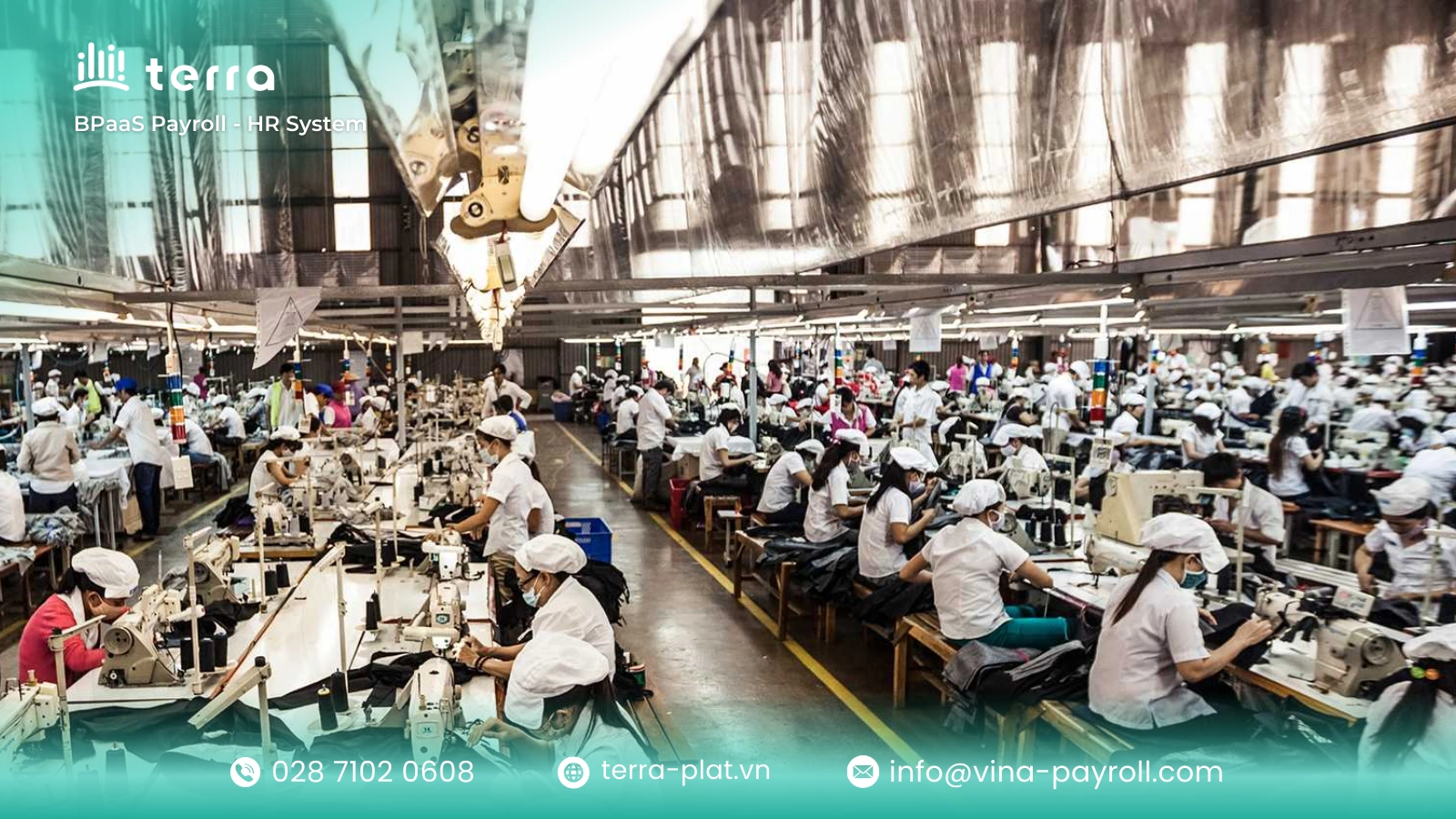
Managing payroll for Blue collar teams may look straightforward at first, but it quickly becomes complex as workforce size and shift variability increase. Unlike office roles with predictable monthly salaries, blue-collar operations must account for hourly wages, rotating shifts, overtime premiums, and strict legal requirements—turning payroll into a high-risk operational function if handled manually.
Moreover, Vietnam’s labor framework places strict requirements on overtime caps, night-shift compensation, insurance contributions, and tax reporting. Even a small miscalculation in a Gross to net salary calculation can escalate into disputes or penalties when applied across hundreds of workers.
This is why businesses increasingly rely on a specialized payroll service in Vietnam, one that understands local regulations and applies them consistently across variable wage structures. Accurate payroll is not only a legal safeguard; it is also a trust-building mechanism for workers whose income depends on every recorded hour.

Why terra payroll supports blue-collar operations at scale
Managing payroll for a large blue collar workforce becomes a major operational risk when handled manually. Variable shifts, overtime rules, and compliance requirements demand both accuracy and scalability—something traditional in-house payroll often struggles to deliver.
terra addresses this challenge through its BPaaS (Business Process as a Service) payroll model, combining advanced SaaS technology with on-the-ground payroll expertise to support complex, labor-intensive operations.
Key advantages of terra payroll for blue-collar teams:
- Maximum cost efficiency: Automation combined with outsourced execution helps significantly reduce payroll operating costs compared to in-house processing.
- Speed and accuracy at scale: Payroll is processed faster and more consistently, with every calculation aligned to current labor regulations.
- End-to-end compliance: As a specialized payroll service in Vietnam, terra manages PIT finalization, social insurance, and regulatory updates on your behalf.
- Always-on access: A fully integrated platform connects HR and payroll data, giving managers and employees 24/7 visibility via web or mobile.
If your organization is managing complex shifts, overtime, or rapid workforce growth, leave your details in the form below to receive practical advice from terra‘s payroll specialists—based on your real operational needs, not generic templates.

Contact terra now for advice!
Conclusion
In short, blue collar roles are essential to modern industries. Managing blue collar jobs effectively requires accurate payroll, shift tracking, and compliance. Using payroll services like terra’s payroll service in Vietnam helps businesses control labor cost, ensure accurate gross to net salary calculation, and support their blue collar workers with confidence.









