
Employer branding is the strategic bridge between your company’s culture and the top-tier talent you need to grow. This comprehensive guide from terra unveils how to build a world-class employer branding strategy to attract, engage, and retain high-performers.
What is Employer Branding?
Before diving into execution, it is vital to understand the foundational elements that separate a company’s general reputation from its identity as a workplace.
Definition of employer branding
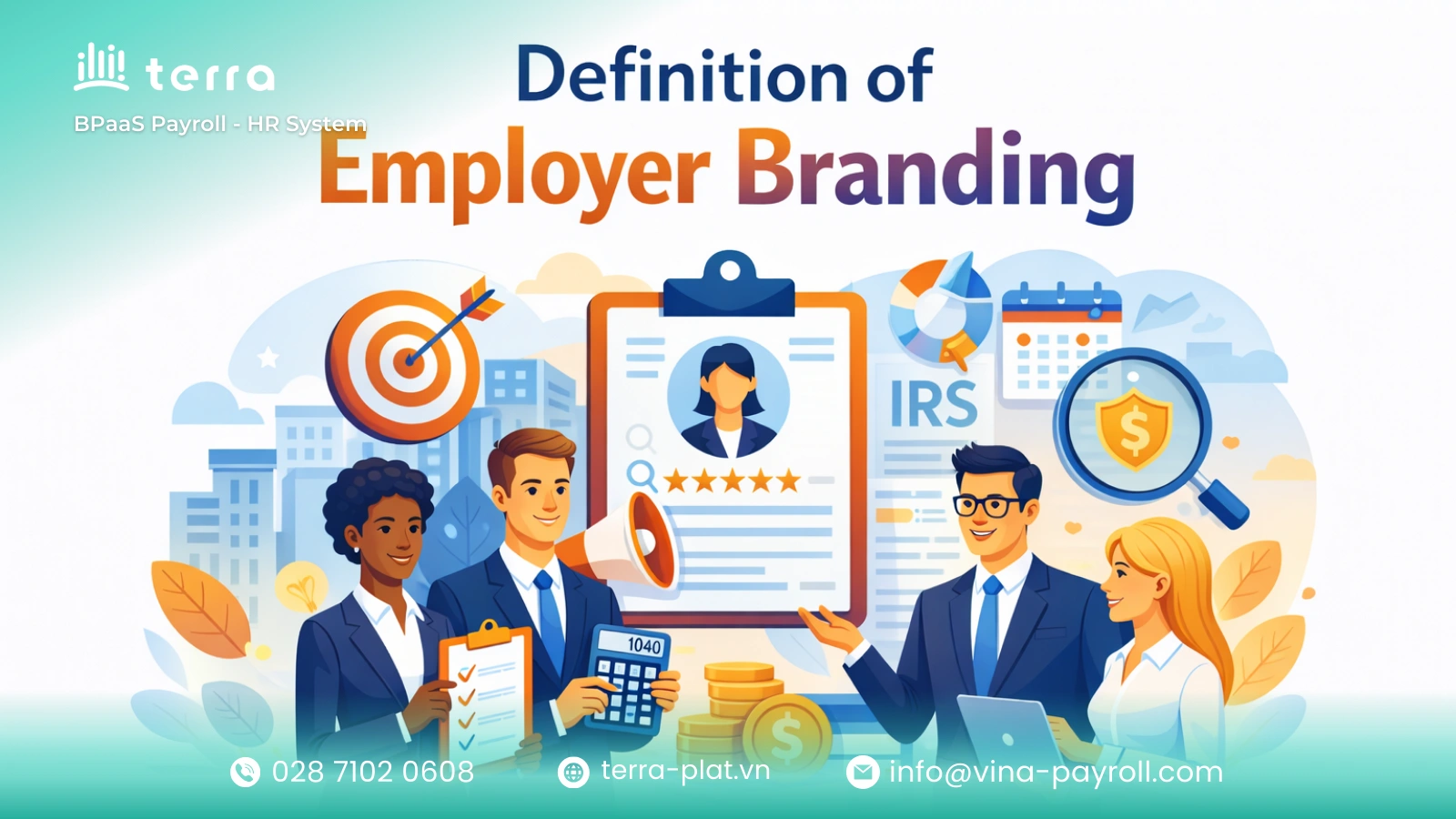
While often used interchangeably, there is a subtle difference between “Employer Brand” and the branding process itself. Your Employer Brand is the perception held by the public and your employees. In contrast, employer branding is the active, strategic process of managing and influencing that reputation to attract talent.
Employer branding vs. Company branding
Company branding focuses on the value proposition to customers to drive sales. Meanwhile, branding for talent focuses on the value proposition to your workforce. While they must be aligned, their “customers” are different: one buys your product, the other invests their career in your vision.
Why employer branding impacts recruitment and retention
A strong brand acts as a natural filter. It attracts “culture-fit” candidates who align with your mission, which significantly reduces turnover. When the “sold” experience matches the “lived” experience, employees are far more likely to stay committed to the organization long-term.
Why is Employer Branding important?
Investment in this area allows businesses, especially SMEs, to compete for talent even without the highest market salaries. By offering a superior culture, growth opportunities, or flexibility, you create a competitive advantage that goes beyond the paycheck.
Who employer branding is for and when it becomes essential
While every organization can benefit from a positive image, specific teams and growth stages find these initiatives particularly transformative for their operations.
Employer branding for HR and talent acquisition teams
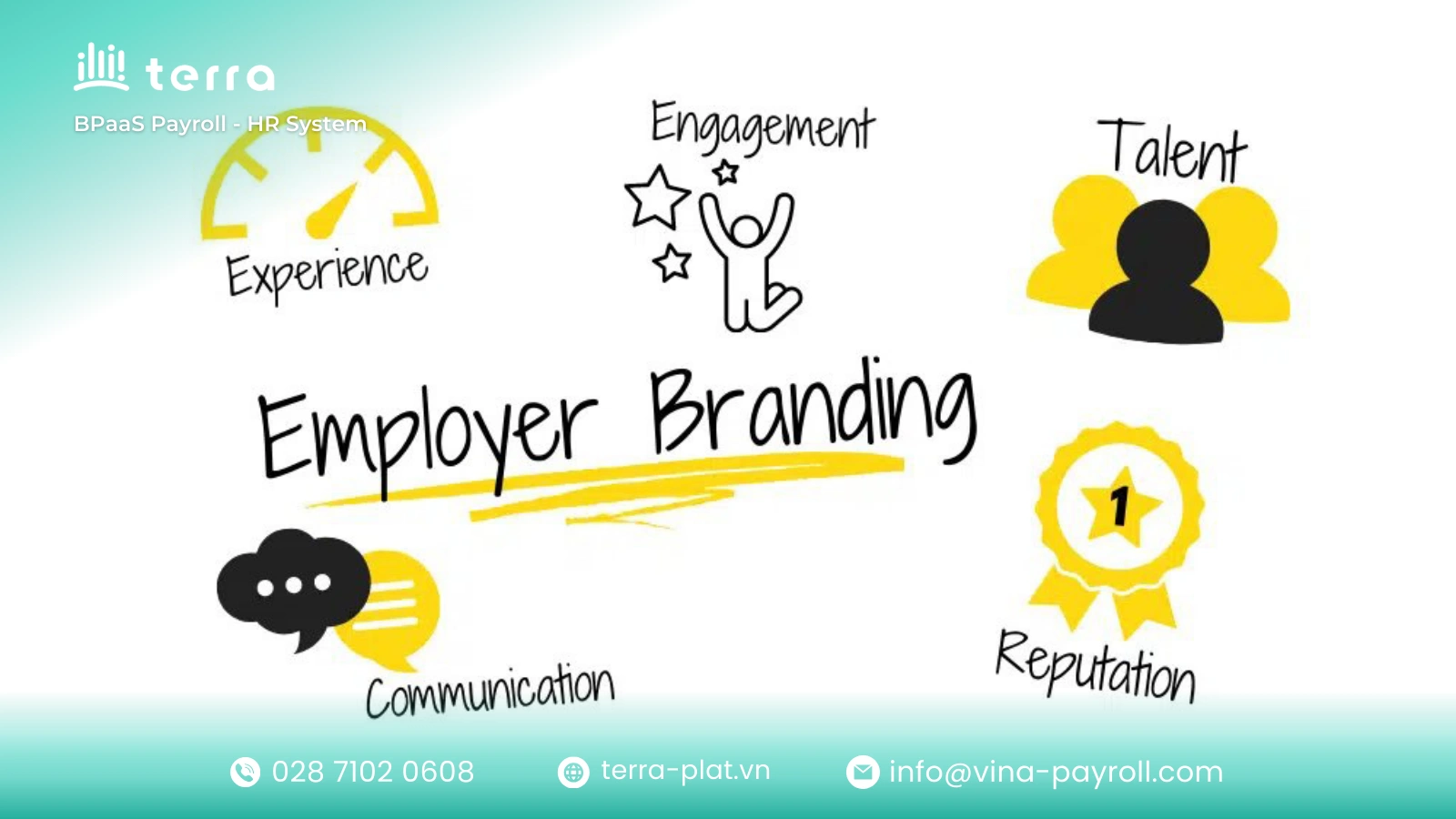
For HR and Talent Acquisition (TA) professionals, branding is the engine that drives high-efficiency recruitment. It shifts the department’s focus from “reactive hiring”, scrambling to fill a vacancy to “proactive pipelining,” where talent is already eager to join before a role even opens.
- The rise of specialized roles: This shift has led to the emergence of specific employer branding jobs. These specialists work at the intersection of Marketing and HR, focusing entirely on storytelling, managing the “glassdoor” reputation, and creating content that resonates with top-tier talent.
- Empowering recruiters: When a company has a magnetic brand, recruiters don’t have to “sell” the company as hard. Instead, they can focus on assessing cultural fit and long-term potential, knowing the candidate is already bought into the company’s mission.
Employer branding for growing and scaling businesses
For SMEs and startups, a strong reputation is a vital survival mechanism. Without the “big name” recognition or massive recruitment budgets of global giants, scaling businesses must leverage their unique agility and purpose to win the “War for Talent.”
- The SME competitive advantage: Smaller companies can offer things giants cannot: rapid career progression, direct impact on the business, and closer-knit cultures. Highlighting these through an employer branding campaign allows smaller players to punch above their weight class.
- The “Reality Check” during onboarding: For a scaling business, every hire is critical. The brand promise made during the interview must hold true through the probation period. If the “dream job” sold to the candidate doesn’t match the reality of their first 90 days, turnover will spike, costing the business significantly in both time and morale.
The role of operational readiness in employer branding
You cannot build a high-gloss brand on a broken foundation. Employer branding is not just about what you say; it is about what you do. Operational readiness is the bridge that ensures the internal reality of your company supports its external marketing.
- First impressions matter: The proof of your brand begins with the onboarding process. A disorganized first week suggests a disorganized company. Conversely, a smooth, tech-enabled entry into the company confirms the hire’s decision and builds immediate loyalty.
- Consistency in the daily grind: Operational readiness also means having the right tools in place to support the employee experience. For example, providing a clear and fair employee shift schedule template for hourly staff or transparent project management tools for remote teams shows that you value their time and work-life balance.
- Avoid the “brand gap”: Branding a toxic or disorganized culture will only lead to public backlash on social media. If your operations aren’t ready to deliver the high-quality experience you are advertising, it is better to fix the internal culture first before launching a massive external campaign.
Building a strong employer branding strategy
Developing a sustainable employer branding strategy requires a structured approach that moves from internal self-reflection to external communication.

Step 1: Analyze existing branding
Before you can build a future-proof brand, you must understand your current reputation. This stage is about “truth-finding”, identifying the gap between what the leadership thinks the culture is and what the employees actually experience.
Start with a comprehensive audit of external review sites like Glassdoor and Indeed to see what former and current employees are saying. Internally, conduct anonymous surveys to gather honest feedback. Are people happy? Do they feel valued?
By analyzing these insights, you can identify your strengths and pinpoint the “brand detractors” that need fixing before you launch your next employer branding campaign.
Step 2: Define your employer value proposition (EVP)
Your EVP is the core of your employer branding strategy. It is the unique set of offerings, associations, and values that you provide in exchange for the skills and experiences your employees bring to the table.
A compelling EVP is built on five key pillars:
- Compensation: Competitive salary structures and performance-based bonuses.
- Benefits: Beyond basic health insurance, think about mental health support, flexible work, and family-friendly policies.
- Career growth: Clear paths for promotion and access to high-level employer branding jobs or internal mobility.
- Work environment: A culture of inclusion, modern tools, and psychological safety.
- Purpose: Connecting the daily grind to a larger mission that makes a social or environmental impact.
Step 3: Focus on candidate experience
The journey of a brand begins long before the first day of work. The “Candidate Experience” covers every touchpoint, from the moment a person clicks “Apply” on your careers page to the moment they sign their offer letter.
A seamless transition from the interview phase into the onboarding process is crucial. If a candidate faces a clunky, slow application system or experiences a disorganized welcome, they may lose interest or drop out before their probation period even begins.
By treating candidates with the same respect and care as customers, you build immediate brand loyalty and increase your offer acceptance rates.
Step 4: Enhance employee advocacy
In the age of social media, your employees are your most credible and influential marketers. Candidates are much more likely to trust a post from a future peer than a highly-produced video from the corporate headquarters.
Encourage your team to share their “workday wins” and behind-the-scenes glimpses of office life. This organic “social proof” humanizes the company and provides an authentic window into your culture.
When employees act as advocates, they don’t just help fill vacancies; they validate your employer branding examples in real-time for the rest of the world to see.
Step 5: Continuous improvement through professional development
The global talent market is dynamic, and what attracted talent three years ago may not work today. To keep your brand relevant, you must foster a culture of continuous learning and adaptation.
Investing in your people’s professional development ensures your brand remains competitive. Whether it’s upskilling your HR team on modern employer branding strategy or providing leadership training for managers, a commitment to growth proves that your company is a place where careers flourish.
Regularly refreshing your approach ensures your brand stays aligned with the evolving needs and desires of a modern workforce.
Tips for executing employer branding effectively
The following practical tips will help you execute your branding initiatives with precision, ensuring your company remains a magnet for top talent.

Be authentic
In the age of information transparency, authenticity is your most valuable currency. Never promise a work culture or a set of values that you cannot realistically deliver. If your recruitment marketing portrays a high-energy, collaborative “startup” vibe, but the actual daily work is highly siloed and bureaucratic, you will face high turnover.
Candidates will quickly sense a “brand gap” during their probation period. When the reality of the job matches the expectations set during the interview, you create a foundation of trust that drives long-term retention. Authenticity means being honest about your challenges as well as your strengths.
Monitor your company’s image on social media
Your employer brand is being discussed online whether you are part of the conversation or not. Candidates often trust third-party reviews more than your official website. You must stay active on platforms like LinkedIn, Glassdoor, and niche industry forums where your target talent spends time.
Don’t just broadcast content; engage. Respond to reviews, both positive and negative with professional, constructive dialogue. Managing your reputation on social media is a key part of any modern employer branding campaign, as it shows potential hires that you are a listening, evolving organization.
Gain insights directly from your employees
Your current staff is the best source of insight for your branding efforts. While exit interviews tell you why people leave, “stay interviews” tell you why your best people stay. These one-on-one conversations or focus groups reveal the “hidden gems” of your culture that you might not even realize are selling points.
By digging for these insights, you can move away from generic messaging and uncover the specific emotional triggers that keep your team motivated. This “internal truth” becomes the backbone of your employer branding strategy, making it far more resonant and effective.
Your careers website: an essential employer branding tool
If a candidate is interested in your company, the first place they will go is your careers page. This site needs to be more than just a list of open employer branding jobs; it should be a window into your world.
Ensure the site is mobile-friendly and easy to navigate. Most importantly, replace generic stock photos with real images and videos of your team in action. Feature diverse testimonials and clear information about your EVP. A high-converting careers website acts as the final convincing point for a top-tier candidate.
Tell a compelling company story
Humans are hardwired to connect with narratives, not bullet points. What is your company’s “Why”? Every organization has a story, whether it’s a founder’s vision to disrupt an industry or a team’s commitment to solving a specific social problem.
Share your mission through varied media: blog posts about team achievements, videos about your community impact, or “day-in-the-life” stories. When you frame your company as a journey that the candidate can join, you move from being a “paycheck provider” to a “mission partner.”
Create a distinctive onboarding experience
You never get a second chance to make a first impression. The onboarding process is the critical moment where a new hire transitions from “outsider” to “team member.” A disorganized start can cause immediate “new hire regret,” while a structured, welcoming experience confirms they made the right choice.
Make the first week memorable. Beyond the paperwork, focus on social integration, introductions to the team, a clear roadmap for their first 90 days, and a personalized welcome gift. A distinctive onboarding experience sets a high bar for excellence and professional respect.
Establish an employee advocacy program
Your employees are your most credible brand ambassadors. An employee advocacy program empowers your staff to share company news, job openings, and culture stories within their personal networks.
To make this effective, provide them with the right tools, easy-to-share content, pre-written social media snippets, or even a centralized employee shift schedule template that makes their work-life balance visible to others.
When employees share their authentic pride in their work, it expands your reach far beyond what a traditional paid advertisement could ever achieve.
How to plan and execute an employer branding campaign
A successful employer branding campaign is more than just a series of posts; it is a targeted effort to change perceptions and drive specific recruitment goals.

Setting clear objectives for an employer branding campaign
Every high-impact campaign begins with a “What” and a “Why.” Without clear objectives, your efforts risk becoming noise in an already crowded digital landscape. Identify exactly what success looks like for your organization before you produce a single piece of content. Common objectives include:
- Boosting awareness: Increasing the number of people who recognize your brand as an employer of choice in a specific region.
- Driving application quality: Moving beyond volume to focus on attracting candidates who possess specific technical skills or cultural attributes.
- Improving perception: Actively countering negative glassdoor reviews or outdated industry stereotypes through authentic storytelling and employer branding examples.
- Internal engagement: Encouraging current staff to participate in advocacy, which indirectly supports external recruitment.
Selecting channels and messaging for target talent segments
One of the most common mistakes in employer branding is using a “one-size-fits-all” message. Different talent segments have different priorities, and your messaging must be tailored to speak directly to their unique needs and professional desires.
- Segmented messaging: A Gen Z developer might prioritize the tech stack, remote work flexibility, and a streamlined onboarding process. Conversely, a Senior Manager might be more interested in leadership autonomy, long-term healthcare benefits, and corporate stability.
- Channel strategy: Where does your target audience live? LinkedIn is essential for professional employer branding jobs, but if you are looking for creative talent or Gen Z hires, platforms like Instagram, TikTok, or niche industry forums (like GitHub or Behance) may offer better engagement.
- Operational transparency: Use your campaign to showcase the tools that make work-life easier. For instance, highlighting a fair and transparent employee shift schedule template can be a major selling point for frontline or retail workers who value predictability.
Measuring effectiveness and optimizing campaign performance
The final stage of any campaign is a continuous feedback loop. You must use real-time data to see which channels and messages are yielding the best ROI. If a particular video isn’t gaining traction, be ready to pivot your visuals or copy to better align with candidate expectations.
Track metrics such as click-through rates on job ads, the “Quality of Hire” for those who enter their probation period during the campaign, and overall career site traffic. By analyzing this data, you can optimize your spend and refine your employer branding strategy for future initiatives. Remember, a campaign is never truly “finished”, it provides the data necessary to make your next move even more effective.
Measuring employer branding impact
A successful employer branding strategy should be treated like a high-performance marketing engine: you must constantly monitor key performance indicators (KPIs) to ensure your message is resonating with the right people and delivering tangible business value.

Quality of social media followers
In the digital age, vanity metrics like a high follower count can be misleading. For employer branding, the focus must be on the relevance and engagement of your community. It is far more valuable to have 1,000 followers who are active industry professionals than 10,000 followers who have no interest in your job openings.
Are your followers engaging with your “behind-the-scenes” content? Are they the type of professionals who would qualify for your current employer branding jobs? By analyzing the demographics and interaction rates of your followers, you can determine if your social media efforts are reaching the right “talent personas.”
Candidate response rate
This metric is a direct reflection of your brand’s “pull power.” When your Talent Acquisition team reaches out to passive candidates on LinkedIn, the percentage of people who actually reply is heavily influenced by your company’s reputation.
A high response rate suggests that your employer branding campaign has successfully built a positive, recognizable image. If candidates are already familiar with your culture and mission, they are much more likely to open a dialogue with your recruiters, even if they weren’t actively looking for a new role.
Quality of candidates
One of the most immediate signs of a healthy brand is the caliber of talent entering your pipeline. It is not just about the quantity of applications, but the alignment of those applicants with your core requirements and cultural values.
- Relevance to the role: Are you seeing more applicants who possess the specific technical skills required for specialized employer branding jobs or engineering roles?
- Cultural fit: High-quality candidates are those who have researched your organization and can articulate why they align with your mission. If your employer branding campaign is clear and authentic, it will act as a natural filter, attracting those who belong and deterring those who don’t.
Time to hire
In a competitive market, speed is a major advantage. A strong employer brand builds “pre-awareness,” meaning candidates are often already familiar with your reputation before a recruiter even reaches out. This familiarity significantly reduces the hesitation period.
- Trust accelerates decisions: When a candidate already trusts your brand, the negotiation and decision-making phases move much faster.
- Pipeline efficiency: By having a warm pool of talent ready to engage, you reduce the time spent on “cold” sourcing. If your onboarding process is also well-integrated, you can move a candidate from “Applied” to “Hired” in a fraction of the time compared to an unknown competitor.
Candidate experience (Candidate Net Promoter Score – CNPS)
The journey from applicant to employee is a critical brand touchpoint. The cNPS measures candidate satisfaction by asking a simple question: “Based on your experience, how likely are you to recommend our application process to a friend or colleague?”
A poor score often points to friction in the onboarding process or a lack of communication during the interview stages. Conversely, a high cNPS indicates that even candidates who weren’t hired walked away with a positive impression of your brand. Treating candidates with transparency and respect, the “gold standard” of recruitment, is what turns applicants into lifelong brand ambassadors.
Employee retention rate
While recruitment gets people through the door, retention proves that the brand promise is real. Low turnover, especially during the first year, is the ultimate sign of a healthy, honest brand.
- The probation period litmus test: Monitor how many employees successfully complete their probation period. If you see a high drop-off rate here, it often indicates a “Brand Gap”, a disconnect between what was promised in the employer branding strategy and the actual daily reality of the job.
- Long-term commitment: High retention rates suggest that your EVP is being delivered consistently. When employees feel that the culture, growth opportunities, and even tactical elements like a fair employee shift schedule template are handled well, they are far more likely to stay long-term.
Cost per hire
For leadership teams, this is often the most persuasive metric. By building a strong brand, you reduce your dependency on expensive third-party recruitment agencies and high-cost job board advertisements.
- Direct inbound interest: A magnetic brand generates “organic” applications. When talent seeks you out directly via your careers page, your marketing spend drops significantly.
- Referral savings: Effective employer branding examples often show that happy employees become the best (and cheapest) recruiters. By fostering advocacy, you increase employee referral rates, which typically carry the lowest cost per hire and the highest long-term retention.
Employee referral rate
There is no greater compliment to an employer than an employee referring to a friend or former colleague. A high referral rate is the ultimate “social proof” that your employer branding strategy is working internally.
Referrals are typically the highest-quality hires because they come with a pre-vetted cultural fit. They also tend to have higher retention rates during the probation period because they have a realistic understanding of the job from their “insider” source.
When employees are willing to put their own reputation on the line to bring someone into the company, it proves that your brand promise is being fulfilled every single day.
| Metric | Core focus | Strategic value |
| Social Follower Quality | Audience Relevance | Reaching the right “talent personas.” |
| Candidate Response Rate | Brand Appeal | Ease of engaging passive talent. |
| Candidate Quality | Talent Fit | Better alignment with culture & skills. |
| Time to Hire | Funnel Speed | Faster filling of critical roles. |
| Candidate Experience (cNPS) | Journey Satisfaction | Positive reputation among all applicants. |
| Retention Rate | Brand Reality | Lower turnover during probation period. |
| Cost per Hire | Financial ROI | Lower spend on ads and agencies. |
| Employee Referral Rate | Internal Advocacy | High-trust hires from your own team. |
Employer branding examples
Looking at industry leaders provides valuable inspiration for how diverse companies bring their unique values to life through successful employer branding examples.

SEB: Driving Engagement with Employee Advocacy
The Swedish bank SEB empowered its employees to become brand ambassadors, sharing authentic, unscripted stories that humanized a traditional financial institution and attracted a more diverse workforce.
Unilever MENA: Campaigns for Gen Z Talent
Unilever used digital-first strategies on platforms like TikTok and Instagram to highlight their commitment to sustainability and social justice, the two highest priorities for the younger generation of talent.
Mondelez International: Branding with Purpose
By focusing on the slogan “Snacking Made Right,” Mondelez aligned their employer identity with global health and environmental goals, attracting professionals who want their work to have a global impact.
Metro: Revitalizing Perceptions of Retail Careers
Metro used powerful storytelling to show that retail is not just “entry-level” work but involves complex, high-tech career paths. They successfully shifted the industry’s image from a “job” to a “career destination.”
Integrating employer branding with long-term HR and business strategy
To be truly effective, branding must be woven into the fabric of your organization’s future planning and daily operations.
Aligning employer branding with workforce planning
Your brand should reflect where the company is going, not just where it is. If you are shifting toward digital transformation, your messaging must attract the specific technical skills required for that future.
Scaling employer branding through payroll outsourcing
HR teams can scale their branding efforts by reducing administrative burdens. Utilizing tools like an employee shift schedule template ensures operational consistency and fairness, which are key parts of the employee experience. When operations are smooth, HR has more time to focus on high-value culture-building.
Sustaining employer brand value over time
Consistency is key. Regularly refresh your EVP and ensure that your internal culture continues to evolve with global trends, such as hybrid work, mental health awareness, and inclusive leadership.
terra HR system

While specialized recruitment software is excellent for talent acquisition, many businesses find greater value in a unified system. terra HR Management System is a comprehensive solution that integrates recruitment directly into the core HR workflow.
This all-in-one terra HR Solution provides a single hub for all employee data, so when you hire a candidate, their profile automatically transfers to payroll and management, eliminating errors and creating a seamless onboarding process.
- Core HR management: This is the central heart of the terra HR Platform. It securely stores and manages all employee profiles, contracts, and insurance details, eliminating paperwork and providing instant, centralized access to all critical records.
- Automated payroll management: This module automates complex calculations for salary, Personal Income Tax (PIT), and social insurance, ensuring 100% compliance with Vietnamese regulations. It links directly to timekeeping data to generate accurate, individual payslips for every employee.
- Time & attendance management: Effectively track working hours, overtime, and diverse leave policies. This feature integrates with time clocks and allows employees to request time off, giving managers a clear, real-time view of attendance data.
- Performance & goal management: Set, track, and evaluate employee performance against clear objectives. This tool supports regular reviews and helps you make informed, data-driven decisions on promotions, employee training, and contract renewals.
Conclusion
Employer branding is the bridge between your business goals and the people who make them possible. By being authentic, measuring your impact, and leveraging modern HR tools, you can build a workplace that talent doesn’t just want to join, but never wants to leave.









