
A corporate LMS is a strategic asset that supports onboarding, compliance, upskilling, and workforce development. terra walks you through key steps, implementation best practices, and future trends to help your organization maximize its learning impact.
What is a corporate LMS?
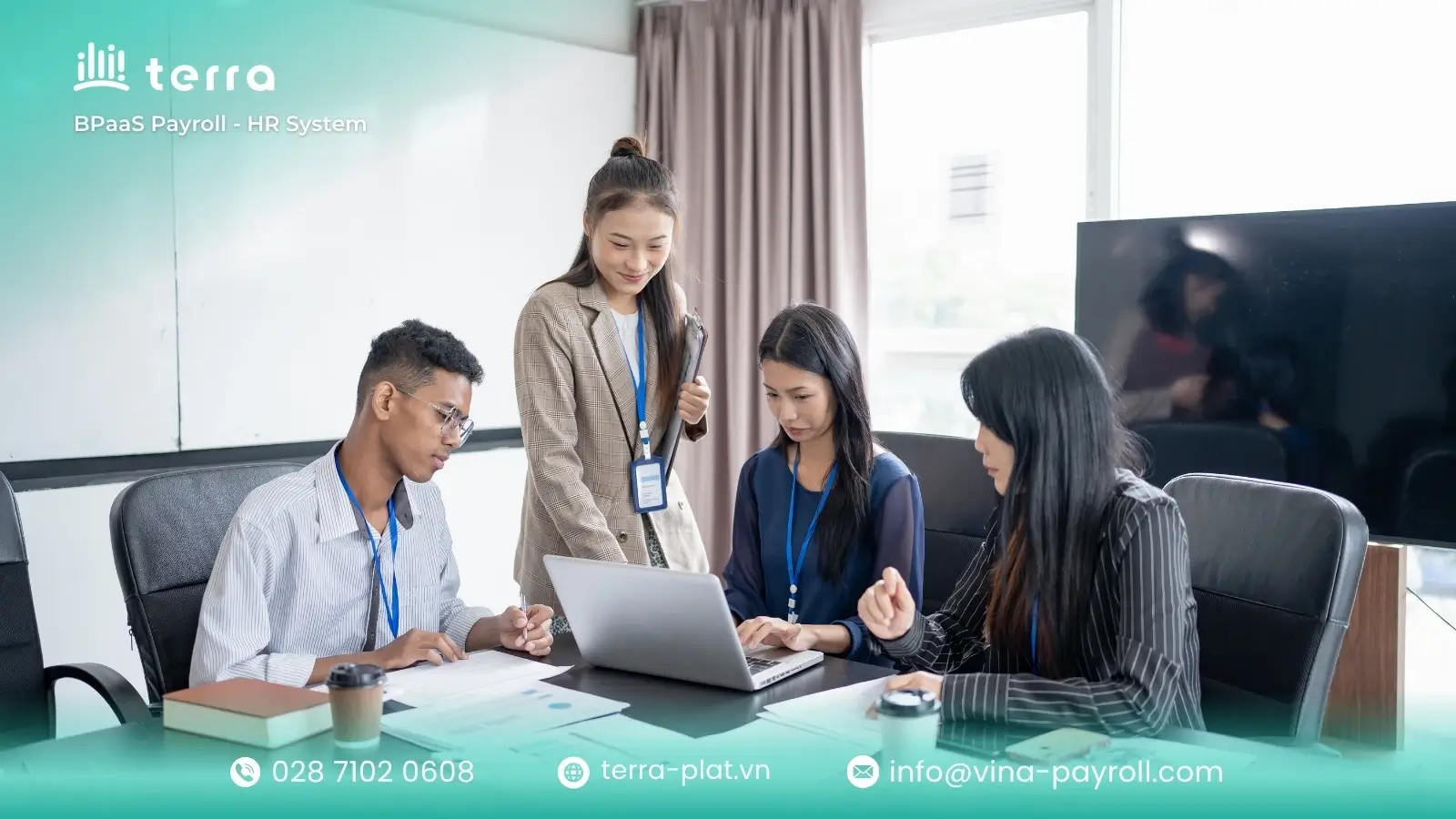
A corporate LMS (Learning Management System) is a digital platform that allows organizations to create, deliver, and track employee training and development programs. Unlike academic LMSs, corporate learning management systems focus on business performance, compliance, and employee growth.
Through a corporate learning platform, HR teams and L&D professionals can centralize learning, automate training assignments, and gain valuable insights into performance metrics. These platforms have evolved into comprehensive corporate LMS software, ensuring training aligns with overall business goals.
In essence, a corporate learning management system acts as the digital backbone for employee learning, improving engagement, boosting retention, and supporting long-term organizational success.
Benefits of using a corporate LMS
A corporate LMS is a strategic tool that drives organizational growth, improves employee engagement, and streamlines operations. By bringing learning and development into one centralized hub, companies can build a stronger, more agile workforce while optimizing both time and resources.
Organizational benefits
For businesses, adopting a modern corporate LMS unlocks a wide range of operational and strategic advantages that go beyond traditional training methods.
- Centralized learning: All training materials, from onboarding modules to compliance certifications, are stored and accessed in one secure location. This simplifies content management and ensures employees have quick, consistent access to essential resources.
- Scalability: Whether your organization has 50 or 50,000 employees, a cloud-based LMS makes it easy to scale learning programs without compromising quality or performance.
- Data-driven decisions: With built-in analytics, organizations can track learner progress, identify skill gaps, and make informed decisions to improve training effectiveness and maximize ROI.
- Compliance management: Automated tracking and reminders help ensure employees complete required training on time, minimizing compliance risks and reducing administrative workload.
- Consistent learning quality: Every employee receives the same accurate, up-to-date, and company-approved content, fostering a unified learning experience across departments and locations.
HR and employee benefits
Beyond organizational performance, a corporate LMS also brings measurable value to HR teams and employees. By aligning learning with professional development goals, it strengthens both talent retention and company culture.
- Faster onboarding: New hires can access structured e-learning paths immediately, accelerating their integration and productivity.
- Continuous upskilling: Personalized training journeys empower employees to develop new skills, stay relevant, and grow within the company.
- Performance alignment: Learning paths can be directly linked to company KPIs and individual performance reviews, ensuring development efforts support business objectives.
- Employee satisfaction: Access to career development opportunities boosts motivation, engagement, and long-term retention.
In the long run, implementing a corporate LMS helps organizations reduce turnover, elevate employee morale, and build a stronger internal talent pipeline, ultimately driving growth from within.
Top corporate LMS platforms in 2025
Choosing the right Learning Management System (LMS) can make or break your corporate training strategy. Below are 20 top corporate LMS platforms that lead the market in scalability, ease of use, innovation, and real business impact.
Workday Learning
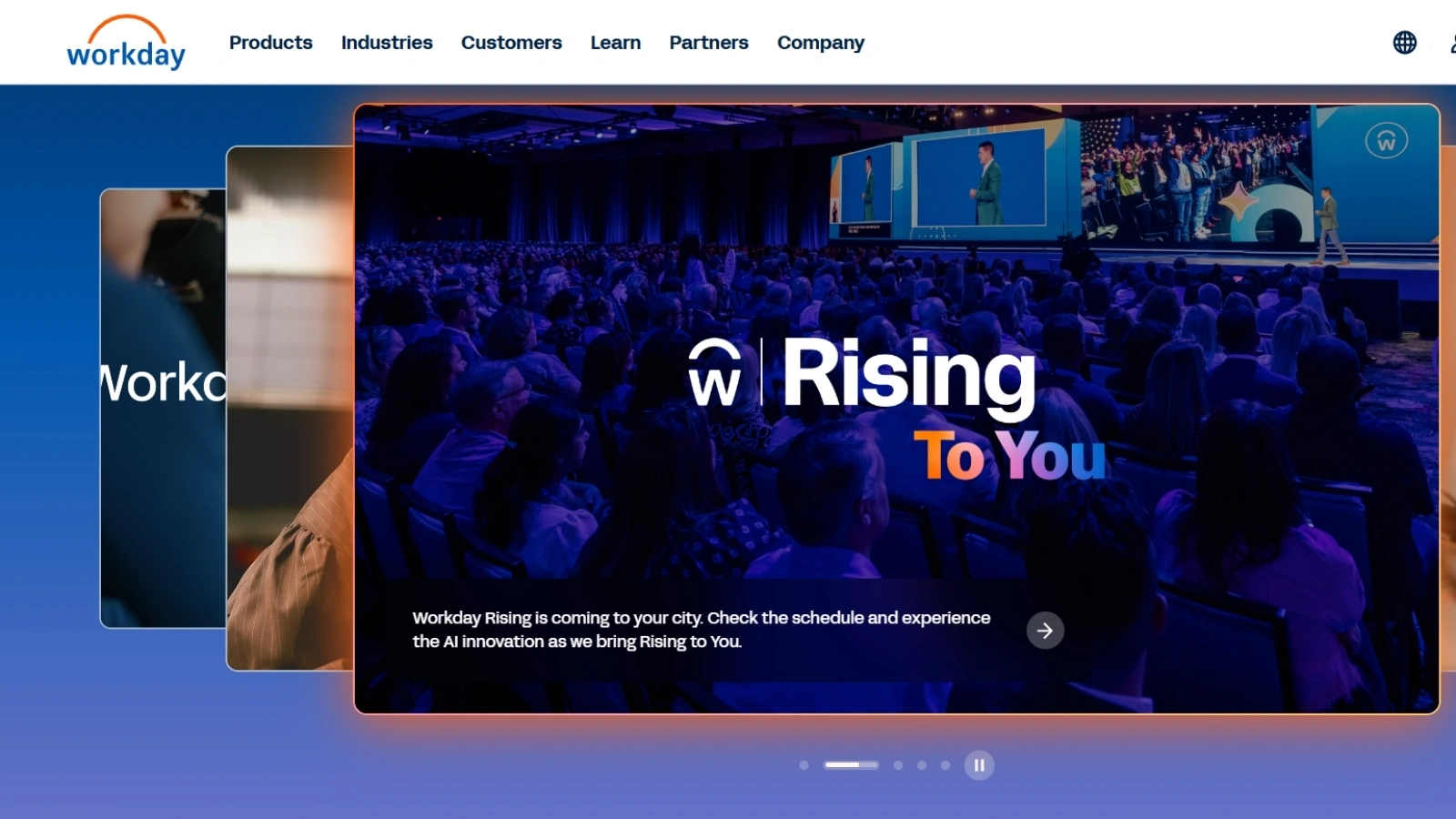
Seamlessly integrated into the Workday ecosystem, this platform connects learning with real-time HR data. Its strength lies in effortless performance and compliance tracking, making it a top choice for large enterprises seeking a fully unified HR and L&D environment.
SAP SuccessFactors Learning
Built for global scalability, SAP’s LMS focuses on compliance training and leadership development. Its advanced analytics and multilingual capabilities make it ideal for multinational corporations that need precision and consistency in training delivery.
Cornerstone OnDemand
Renowned for its AI-powered skill mapping and adaptive learning paths, Cornerstone goes beyond standard training delivery. It integrates smoothly with performance systems, empowering companies to upskill their workforce strategically.
Docebo
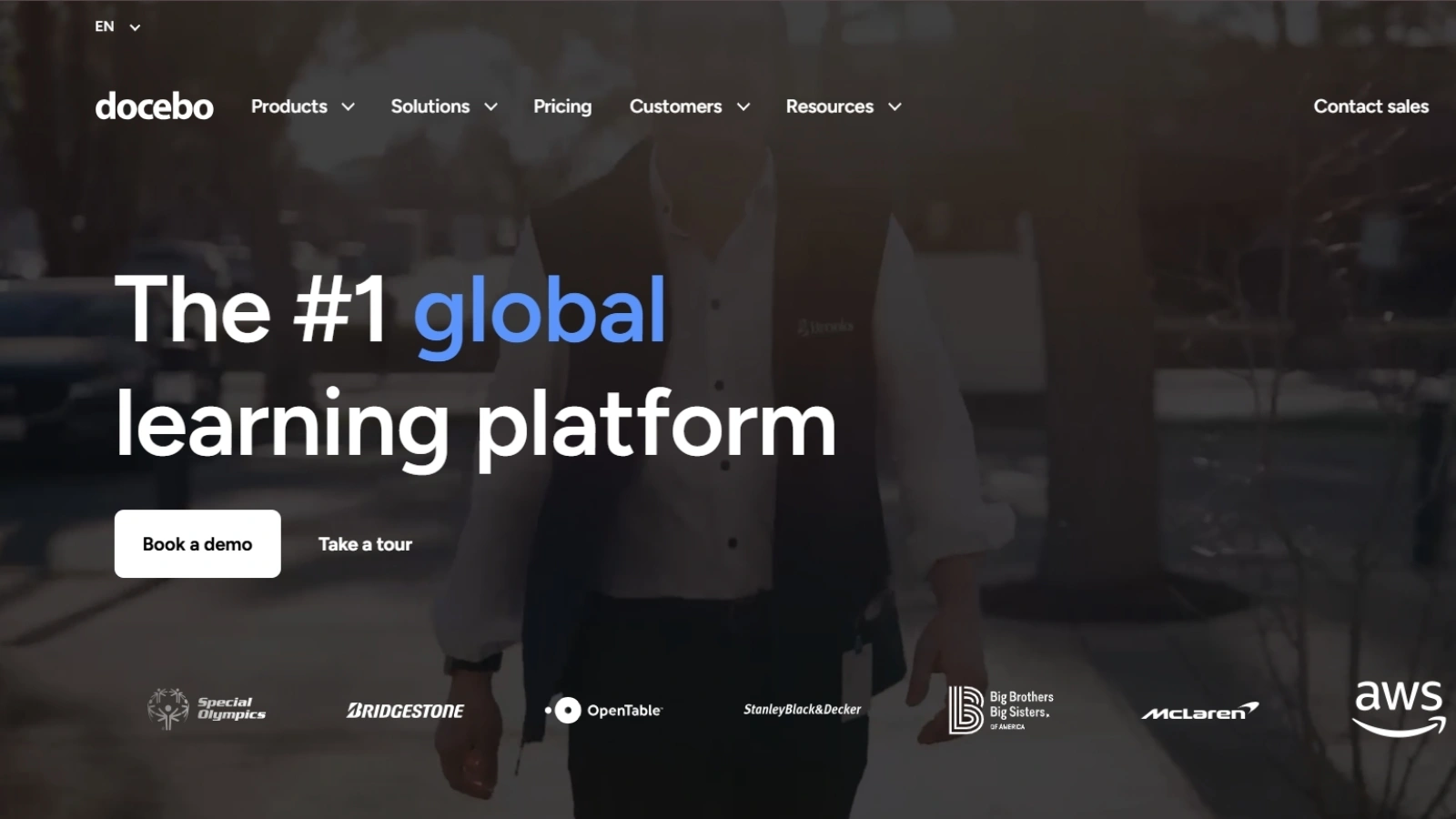
Docebo stands out for its smart automation and personalized content recommendations. With gamification features and advanced analytics, it creates engaging learning journeys while giving L&D teams clear visibility into impact and ROI.
Blackboard Learn
A favorite for organizations that prefer an academic structure, Blackboard brings powerful virtual classroom tools to the corporate world. Its cloud-based architecture and strong collaboration features make it perfect for blended learning strategies.
Canvas LMS
Originally built for education, Canvas has evolved to meet corporate learning needs with a mobile-first experience and customizable branding. It’s a smart choice for companies seeking flexibility and accessibility for hybrid teams.
Absorb LMS
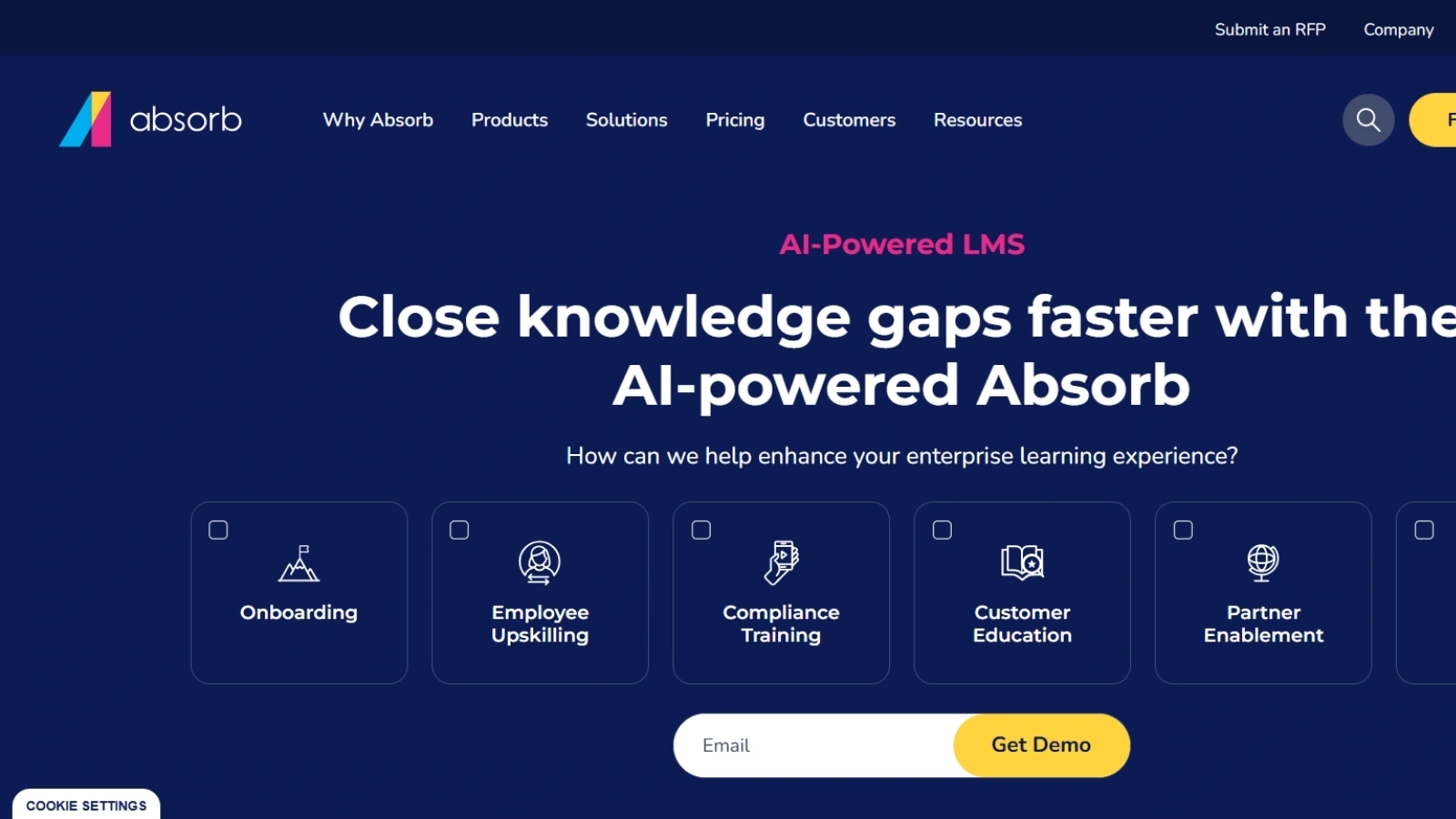
Absorb is known for its clean interface, powerful automation, and data-driven insights. It’s particularly effective for enterprises that want to train both employees and external partners without compromising user experience.
TalentLMS
Ideal for SMBs, TalentLMS offers fast setup, intuitive navigation, and an affordable pricing model. It’s perfect for businesses that want to launch onboarding or compliance programs quickly without complex implementation.
Moodle Workplace
This open-source LMS – Moodle Workplace – gives organizations maximum control and customization. With the right IT support, it offers flexibility and cost efficiency, ideal for companies that prefer to build their own learning ecosystem.
LearnUpon
Designed for organizations managing multiple learning portals, LearnUpon shines with its gamification features and scalable structure. It’s a strong fit for companies that value engagement and growth.
360Learning
Unlike traditional top-down LMS platforms, 360Learning focuses on peer-driven learning. Employees can create and share courses, fostering a culture of collaboration and knowledge sharing from within.
iSpring Learn
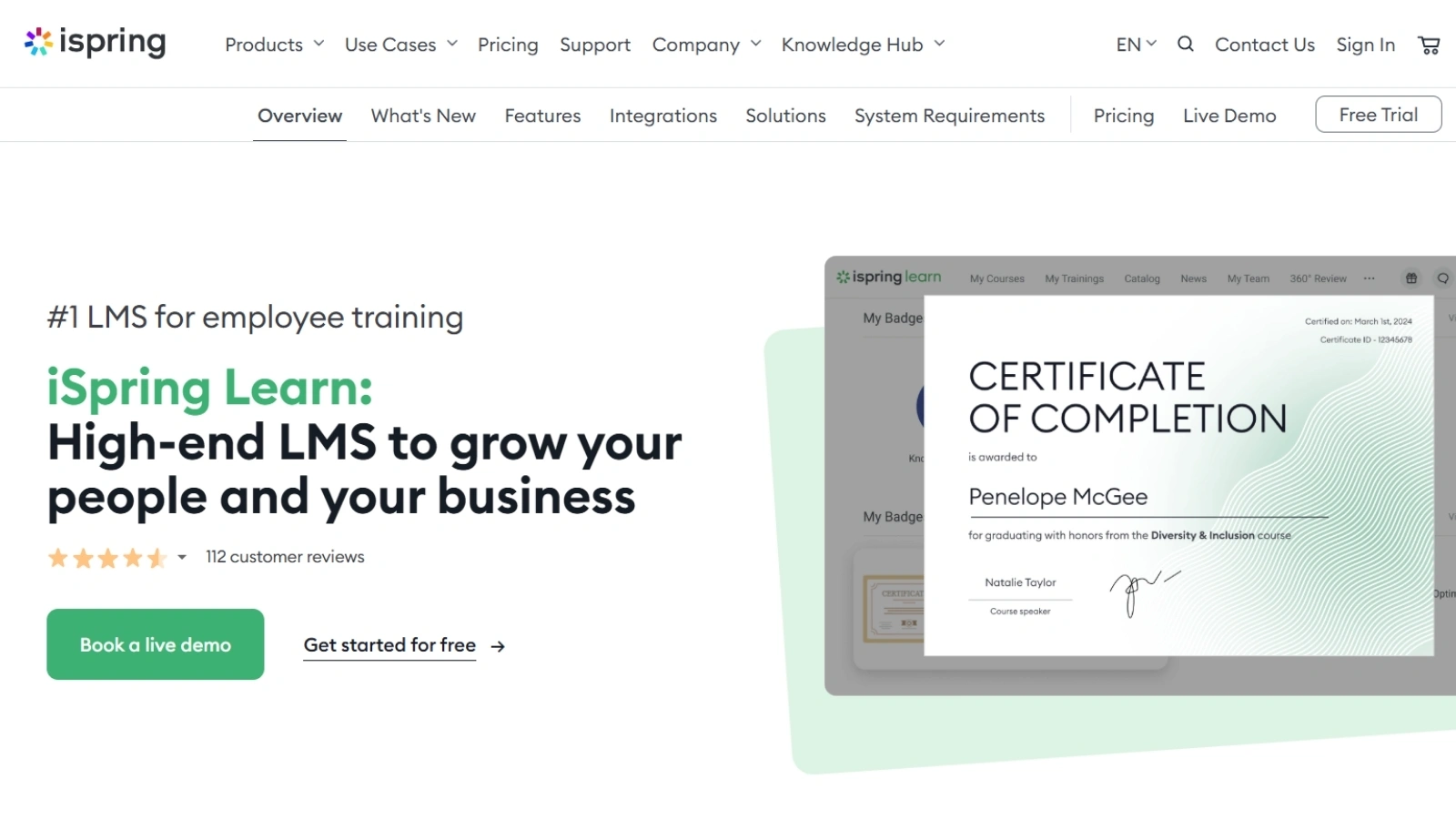
iSpring is built for speed. With rapid content authoring and automated tracking, it helps L&D teams launch courses fast while maintaining visibility over learner progress and outcomes.
Adobe Learning Manager
Formerly Captivate Prime, Adobe Learning Manager leverages Adobe’s ecosystem to deliver personalized learning experiences. Its AI-powered recommendations and robust analytics make it a go-to choice for enterprises focused on continuous upskilling.
Udemy Business
With access to 25,000+ ready-to-use business courses, Udemy Business removes content creation barriers and lets companies focus on implementation. Ideal for organizations looking to provide flexible, self-paced learning at scale.
edX for Business
Offering university-backed certifications and Ivy League-level content, edX for Business is a premium choice for leadership and technical training. It’s particularly valuable for companies investing in executive development.
LinkedIn Learning
By connecting learning directly with professional profiles, LinkedIn Learning helps employees upskill in ways that support their career growth. It’s a smart option for organizations that value professional visibility and networking.
Lessonly by Seismic
Lessonly focuses on sales and customer service enablement, combining content libraries with practice modules and real-time feedback tools. It’s ideal for teams that thrive on hands-on, performance-driven learning.
Tovuti LMS
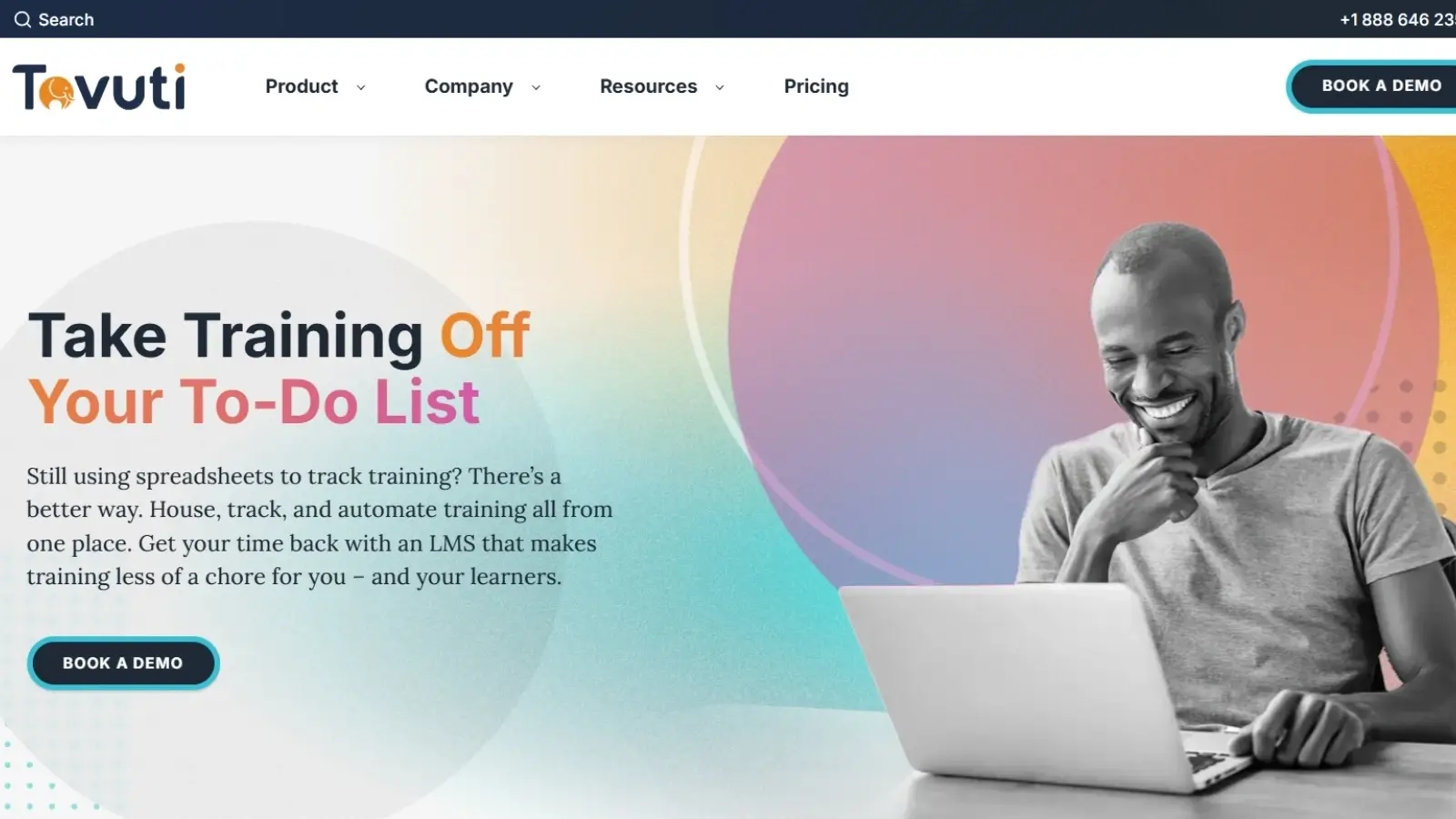
Tovuti is a high-engagement platform that combines gamification, social learning, and built-in course authoring tools. Its interactive features make training more dynamic and enjoyable.
Bridge LMS
Bridge LMS stands out for its performance-driven learning approach, integrating feedback loops and competency tracking to align development with business goals.
Skillsoft Percipio
A next-gen learning platform powered by AI and analytics, Skillsoft Percipio offers an extensive course library and personalized learning paths. It’s a strong option for enterprises focused on continuous professional growth.
Summary table of 20 corporate LMS platforms
| LMS name | Best for | Key feature | Free trial |
| Workday Learning | Enterprise HR integration | HR & learning alignment | No |
| SAP SuccessFactors | Compliance & leadership | Advanced analytics | Demo |
| Cornerstone OnDemand | AI & performance | Skill-based learning | Demo |
| Docebo | AI personalization | Automated curation | Yes |
| Blackboard Learn | Blended learning | Virtual classrooms | Yes |
| Canvas LMS | Open-source flexibility | Mobile access | Yes |
| Absorb LMS | Scalability | Smart automation | Yes |
| TalentLMS | SMB training | Ease of use | Yes |
| Moodle Workplace | Customization | Open source | No |
| LearnUpon | Engagement | Multi-portals | Yes |
| 360Learning | Collaboration | Peer learning | Yes |
| iSpring Learn | Quick setup | Analytics | Yes |
| Adobe Learning Manager | Enterprise analytics | AI recommendations | Yes |
| Udemy Business | Upskilling | Course library | Yes |
| edX for Business | Academic quality | Certifications | Yes |
| LinkedIn Learning | Professional growth | Social learning | Yes |
| Lessonly by Seismic | Sales enablement | Practice-based learning | Yes |
| Tovuti LMS | Engagement | Gamification | Yes |
| Bridge LMS | Performance tracking | Feedback tools | Yes |
| Skillsoft Percipio | Enterprise learning | AI insights | Yes |
Key features of top corporate LMS platforms
A great corporate LMS is a powerful engine for organizational growth and employee development. Below are the key features that set top-performing LMS platforms apart in 2025.
Core functionalities
At the foundation of every successful corporate LMS is a set of essential features that simplify training delivery, improve learner engagement, and provide organizations with full visibility over performance.
Content management
A robust LMS makes it simple to upload, organize, and update training materials with built-in version control. This guarantees that employees always access the most accurate and up-to-date content, eliminating confusion caused by outdated materials. Meanwhile, administrators save valuable time by managing everything through a centralized course library.
Automated learning paths
With AI-powered automation, the platform adapts each learner’s journey based on their job role, skill level, and learning history. This personalization ensures training is relevant, efficient, and goal-oriented, helping employees stay motivated and aligned with their career growth plans. It also reduces the manual workload for HR and L&D teams.
Progress tracking and reporting
Integrated analytics dashboards give organizations real-time visibility into learning progress. HR and L&D teams can track course completion rates, monitor skill development, and evaluate ROI with precision. These insights support compliance monitoring and enable leaders to make data-driven decisions that continuously improve training strategies.
Advanced capabilities
Beyond the basics, leading corporate LMS platforms integrate next-generation features designed to elevate engagement, personalize learning, and scale globally.
AI personalization
Top platforms like Docebo and Cornerstone OnDemand use AI to recommend training content intelligently. By analyzing individual behaviors, skill levels, and learning patterns, they provide personalized learning paths tailored to each employee’s development goals. This leads to better engagement, faster skill-building, and stronger performance outcomes.
Gamification
Modern LMS platforms integrate gamified elements such as badges, points, quizzes, and leaderboards to make learning more interactive. This approach transforms mandatory training sessions into an engaging and motivating experience rather than a simple task to complete. As a result, learners stay more involved and retain knowledge more effectively over time.
Analytics dashboards
Advanced reporting dashboards offer real-time visibility into key learning metrics, including completion rates, skill gaps, and engagement trends. These insights help L&D teams make data-driven decisions, continuously optimize content, and align learning strategies with overall business goals. It’s a powerful way to measure impact and adjust quickly.
Mobile & multi-language support
In today’s hybrid and globally distributed workforce, accessibility is no longer optional, it’s essential. Mobile-friendly LMS interfaces ensure employees can learn anytime, anywhere, while multi-language support breaks down barriers for international teams. This combination helps organizations scale training programs globally without sacrificing user experience.
How to choose the right corporate LMS
Selecting the right corporate LMS is a strategic investment that can significantly impact employee performance and business growth. Below is a simple step-by-step guide to help you make a smart, scalable, and future-proof decision.
Step-by-step guide
Start by clearly defining your business objectives and learning outcomes. What exactly do you want your LMS to achieve, faster onboarding, better compliance, or skill development for future roles? Once you have a clear vision, you can evaluate solutions not just by features but by how well they support your long-term L&D strategy.
Finding the ideal corporate LMS goes beyond comparing specs on a checklist. It’s about aligning technology with strategy, ensuring the platform can adapt as your business grows, your workforce evolves, and your learning needs become more complex.
Define business objectives
Start by identifying what you want your corporate LMS to accomplish. Are you aiming to streamline employee onboarding, strengthen compliance training, encourage continuous upskilling, or enhance overall performance?
Clarifying your main objectives helps you focus on platforms that truly support your learning strategy and deliver measurable business outcomes.
Identify user needs
A corporate LMS is only as effective as the engagement it creates. Go beyond organizational needs and consider the learner’s perspective. Conduct surveys or focus groups to uncover employees’ preferred learning formats, such as mobile access, microlearning modules, or interactive videos, and any accessibility requirements.
This learner-first approach ensures your corporate LMS not only delivers content efficiently but also fosters genuine motivation and participation.
Check integrations and scalability
To future-proof your investment, look for a corporate LMS that integrates seamlessly with core business systems like HRIS, payroll, and CRM tools.
Integration ensures smooth data flow across departments, while scalability allows yours to grow alongside your organization. Choosing a platform with both capabilities sets the foundation for a sustainable, adaptable learning ecosystem.
Common mistakes to avoid
Even with a solid selection process, many companies fall into avoidable traps when choosing their LMS. Watch out for these common mistakes:
- Ignoring user experience: A clunky interface can discourage employees from engaging with learning content.
- Overlooking mobile compatibility: In today’s hybrid workplaces, mobile learning is essential for accessibility and flexibility.
- Selecting tools with limited integration: A system that doesn’t connect with your existing tech stack can create silos and inefficiencies.
- Focusing solely on price rather than ROI: A cheaper platform may seem attractive at first but can cost more in lost productivity over time.
Corporate LMS implementation roadmap

Rolling out a new corporate LMS is a strategic shift that can reshape how your organization delivers and manages learning. The process can be broken down into two key phases: pre-launch and post-launch.
Pre-launch
Before going live, it’s crucial to lay a solid foundation. This phase focuses on preparation, system configuration, and ensuring everyone involved is ready to use the platform effectively.
- Conduct stakeholder training and pilot testing: Begin by training key stakeholders and running pilot programs to identify potential issues early. This ensures smoother adoption and minimizes technical or operational surprises during rollout.
- Migrate existing learning data: Transfer training records, course materials, and learner histories to the new system. Clean, organized data migration sets the stage for accurate tracking and reporting from day one.
- Customize branding and user access levels: Tailor the corporate LMS interface to reflect your organization’s branding and define access permissions for different roles. A familiar and well-structured environment makes it easier for employees to navigate and engage.
Post-launch
Once the corporate LMS goes live, the focus shifts from preparation to optimization. Post-launch efforts help drive engagement, gather actionable insights, and keep learning content relevant.
- Gather feedback and fine-tune workflows: Encourage users to share their experiences, then adjust workflows, navigation, or course structure to improve usability and satisfaction.
- Monitor adoption and engagement: Track usage metrics, completion rates, and learner behavior to identify gaps and opportunities for improvement.
- Continuously update learning content: Regularly refresh and expand course offerings to keep training programs current, relevant, and aligned with evolving business goals.
Future trends in corporate learning management systems
As workplace learning continues to evolve, organizations are moving beyond traditional training models to adopt more intelligent, flexible, and data-driven solutions. These trends are shaping the future of corporate LMS, ensuring learning is not only accessible but also highly personalized and impactful.
AI-powered adaptive learning
Artificial intelligence is set to revolutionize how employees experience training. By analyzing individual learning patterns, AI can personalize learning journeys, adjusting content to match each employee’s pace, strengths, and behavior.
This level of adaptability helps boost engagement and knowledge retention while optimizing training efficiency.
Microlearning and continuous upskilling
In fast-moving work environments, time-efficient learning formats are essential. Microlearning – short, targeted modules, allows employees to build skills incrementally without disrupting their daily workflows.
This approach supports continuous upskilling, making learning an ongoing part of the employee experience rather than a one-time event.
LMS and HR integration
Finally, LMS platforms are becoming more tightly integrated with HR systems, enabling companies to gain deeper, actionable insights.
When learning data connects directly to KPIs, such as organizational pay scales or benchmarks like the average salary in Vietnam, businesses can better measure training impact, align learning with workforce goals, and make smarter strategic decisions.
FAQs about corporate LMS

Choosing the right corporate Learning Management System (LMS) can feel overwhelming, especially with so many platforms and features available. To help you make informed decisions, here are answers to some of the most common questions businesses ask when exploring LMS solutions.
What is the difference between LMS and LXP?
An corporate LMS (Learning Management System) primarily focuses on delivering structured training programs, assigning courses, and tracking learner progress.
In contrast, an LXP (Learning Experience Platform) emphasizes personalized learning, content discovery, and learner-driven experiences. In short, corporate LMS is about management, while LXP is about engagement.
How much does a corporate LMS cost?
Pricing can vary significantly depending on features, scale, and level of customization. For example, SMB-friendly tools like TalentLMS can start as low as $5 per user per month, while enterprise-level systems such as Cornerstone can exceed $50,000 annually. Defining your budget and needs early on will help narrow down the right fit.
Which LMS is best for enterprise vs SMB?
Large enterprises often opt for platforms like Docebo, SAP, or Cornerstone due to their robust scalability and advanced features. Meanwhile, small and mid-sized businesses typically prefer TalentLMS or iSpring Learn for their ease of use and cost-effectiveness. The ideal choice depends on your organization’s size, goals, and training complexity.
How long does LMS implementation take?
Implementation timelines generally range from 4 to 12 weeks. Factors that influence this include the level of customization, required integrations, and the amount of content to be migrated. Careful planning during the pre-launch phase can help accelerate deployment.
Can LMS integrate with HR software?
Yes. Modern LMS platforms are designed to integrate seamlessly with popular HR systems like BambooHR, Workday, or SAP. This integration ensures a smooth data flow between learning and HR processes, improving reporting accuracy and operational efficiency.
What KPIs can a corporate LMS improve?
A well-implemented LMS can significantly boost learning completion rates, enhance employee engagement scores, and reduce time-to-productivity for new hires. Over time, these improvements contribute to stronger talent retention, better workforce performance, and a more agile organization.
terra HR Software – Integrated HR management

Built on a modern technology platform, terra HR system offers an end-to-end solution that minimizes manual tasks and ensures consistency throughout the employee journey – from recruitment to becoming a full-time member.
1. Recruitment stage
Before onboarding begins, companies must first secure the right talent. With terra HR solution, businesses can:
- Publish job postings through a customized recruitment website, where all candidate profiles are automatically centralized in one system.
- Manage candidate data seamlessly, with features to filter, assign interviewers, add notes, and store complete application histories, ensuring every step of the recruitment process is transparent and traceable.
2. Becoming an official employee
After a candidate accepts the offer, terra allows HR to update employee records online, ensuring accuracy while enabling real-time tracking of payroll, contracts, timesheet and leave requests.
3. Training and integration
To support employee development, terra HR management system also provides online training management. New hires can access learning materials, track their progress, and engage in courses directly on the same terra HR platform – helping them adapt faster and more effectively.
By integrating recruitment, contract management, employee data, and training into a single platform, terra HR system empowers businesses to deliver a professional, efficient, and positive onboarding experience – ensuring every new hire feels welcomed and supported from day one.
Conclusion
Selecting the right corporate LMS isn’t just about technology, it’s about aligning learning with your organization’s goals. By defining clear objectives, understanding user needs, ensuring smooth integrations, and staying ahead of industry trends, companies can build a future-ready learning ecosystem.









