
Employee training has become a decisive factor for long-term business success. Choosing the right approach to training employees helps retain talent and strengthens organizational competitiveness. In this post, terra analyzes the key considerations for businesses and presents the top 10 employee training methods.
Why employee training is more important than ever
A well-structured employee training program is essential in a fast-changing business landscape. As markets evolve, technologies advance, and processes transform, employees must also grow and adapt. Training provides the foundation for continuous development, ensuring that the workforce remains agile, capable, and aligned with organizational goals.
Improves employee engagement and retention
When employees are given opportunities to learn and grow, they feel valued and invested in. This sense of recognition drives higher engagement, reduces turnover, and strengthens company culture.
Learn more: Optimized and effective recruitment process for businesses
Prepares workforce for new technologies
Rapid technological change requires employees to constantly update their skills. Well-designed employee training programs help workforces adapt to digital tools, automation, and new business models. The rise of AI is a prime example of why companies must prioritize continuous training.
Reduces skill gaps and boosts productivity
Skill gaps are one of the most critical barriers to business performance. When employees lack essential capabilities, productivity slows, errors increase, and growth opportunities are lost. Effective employee training directly addresses these gaps by equipping staff with the knowledge and confidence to perform at higher standards.

Factors to consider when choosing a training method
There is no universal formula for employee training. The right approach depends on multiple factors. By carefully evaluating these elements, businesses can select a method that fits their unique context and maximizes impact.
Company size
- Small businesses: Favor cost-effective models such as eLearning, microlearning, or on-the-job training.
- Large enterprises: Often combine multiple approaches ILT, VIT, simulations, or mentoring to cover diverse roles.
Available budget
- Limited budgets: Online learning, in-house training, or ready-made platforms are ideal.
- Larger budgets: Allow for blended learning, external experts, or long-term development programs.
Learning preferences
Some employees prefer hands-on workshops, while others benefit more from short, flexible online modules. A quick internal survey helps organizations select the right mix.
Employee roles
- Technical staff: Best served by simulations or mentoring.
- Administrative or management roles: Effective with ILT, eLearning, or microlearning.
Remote vs. in-office workforce structure
- On-site teams: More suitable for in-person ILT or mentoring.
- Remote/hybrid teams: Require VIT, eLearning, or mobile learning.

Top 10 employee training methods for businesses in 2025
Selecting the right approach maximizes training effectiveness, ensuring alignment with different employee groups and specific business objectives. Below are 10 highly regarded methods for 2025.
On-the-job training
On-the-job training is the most common approach where employees learn by performing tasks directly in their daily roles, guided by managers or senior colleagues. It is widely seen in industries like manufacturing, retail, hospitality, and customer service, as well as SMEs that favor cost-effective, practical methods.
- Pros: Low-cost, highly practical, integrates learning into real work, accelerates adaptation.
- Best for: New hires, hands-on roles, or businesses needing quick workforce readiness.
Instructor-led training (ILT)
Instructor-led training involves structured classroom sessions delivered by expert trainers, often combining lectures, discussions, and role-play. It remains popular in industries such as finance, healthcare, and large corporates where compliance, technical depth, or professional certifications are required.
- Pros: Encourages active participation, group discussion, and immediate feedback; builds team cohesion.
- Best for: Large groups needing in-depth knowledge transfer, compliance training, or soft skills such as communication and leadership.
eLearning (online training programs)
eLearning delivers knowledge through structured online modules, allowing employees to learn at their own pace via videos, quizzes, or interactive content. It is especially common in fast-scaling organizations or those with geographically dispersed teams.
- Pros: Highly flexible, cost-efficient, accessible across locations and time zones.
- Best for: Distributed workforces, fast-growing companies, or organizations with tight training budgets.
Virtual instructor-led training (VIT)
VIT replicates the classroom experience through live online sessions guided by professional trainers, blending presentation, Q&A, and group interaction. It is widely used by remote-first companies and global teams seeking real-time collaboration.
- Pros: Combines the flexibility of eLearning with the engagement of ILT.
- Best for: Remote, hybrid, or multinational teams requiring interactive knowledge sharing.
Microlearning
Microlearning breaks training into short, focused lessons such as 5-minute videos, bite-sized quizzes, or infographics-designed to fit into employees’ daily routines. It has gained traction in tech-driven industries and among younger, digital-native employees.
- Pros: Easy to absorb, highly engaging, well-suited for just-in-time learning.
- Best for: Continuous upskilling, product updates, or reinforcing key concepts quickly.
Blended learning
Blended learning integrates in person instruction with digital modules, offering a balance between flexibility and human interaction. This hybrid model is favored by mid-to-large enterprises with diverse roles and employees working across different schedules.
- Pros: Provides flexibility while maintaining face-to-face engagement and collaboration.
- Best for: Organizations with varied workforce needs and complex training requirements.
Mentorship and coaching programs
This method pairs employees with experienced mentors or coaches who provide personalized guidance, knowledge transfer, and leadership development. It is common in industries where talent retention and succession planning are priorities.
- Pros: Builds trust, accelerates professional growth, nurtures future leaders.
- Best for: High-potential employees, leadership pipelines, or roles requiring deep expertise.
Simulation-based training
Simulation-based training uses advanced tools such as VR, AR, or software simulations to recreate real-life scenarios for employees to practice safely. This method often requires significant investment in technology and infrastructure.
- Pros: Offers risk-free, highly realistic practice that builds confidence and precision.
- Best for: High-risk sectors or organizations with technical roles demanding hands-on mastery.
Gamification in training
Unlike traditional training methods that can feel routine or passive, gamification introduces elements such as points, levels, and challenges to transform learning into an engaging experience. This approach is increasingly popular in tech-driven organizations and companies looking to energize large-scale programs.
- Pros: Creates a fun, interactive learning environment that improves participation and retention.
- Best for: Company-wide initiatives, teamwork development, or training younger, digital-savvy employees.
Mobile learning
Mobile learning has become an ideal solution for today’s remote and mobile workforce, offering unmatched flexibility and convenience. Through optimized apps or responsive platforms, employees can access training materials anytime, anywhere even without a fixed workstation.
This employee training method is especially valuable for sales staff, field technicians, or employees balancing work across multiple locations. Beyond accessibility, mobile learning maximizes downtime by allowing workers to complete lessons during short breaks, while interactive features like quizzes, chats, or online forums keep them engaged and connected, regardless of where they are.
- Pros: Delivers flexible, on-demand training with strong engagement tools.
- Best for:
- Fully remote employees and staff in roles that require frequent travel;
- Companies running continuous training programs for a dispersed workforce.

Comparing traditional vs. modern training methods
Most businesses still rely on traditional employee training methods such as classroom sessions, workshops, or on-the-job mentoring. However, as technology advances and flexible work models become the norm, modern approaches have emerged offering more diverse, engaging, and personalized learning experiences.
| Criteria | Traditional Methods | Modern Methods |
| Format | On-the-job training, instructor-led training (ILT), mentorship and coaching programs | eLearning (online training programs), virtual instructor-led training (VIT), microlearning, blended learning, simulation-based training, gamification in training, mobile learning |
| Flexibility | Fixed time and location | Learn anytime, anywhere |
| Cost | Higher (venue, trainers, materials) | More cost-efficient through digital tools |
| Scalability | Limited | Easily scalable for large/global teams |
| Interaction | Direct, personal connection | Digital engagement, AI-powered personalization |
| Measurement | Manual evaluation, feedback | Data-driven analytics and reporting |
How to implement the right training method for your business
Choosing a training approach is only the first step what truly matters is how it’s put into practice. Many companies struggle because they adopt popular methods without aligning them. A thoughtful implementation plan ensures that employee training is not just another activity, but a strategic investment that drives measurable impact.
Assess business goals and workforce needs
Employee training should directly serve business objectives, whether improving productivity, preparing successors, or enhancing specialized skills.
The first step in choosing the right training method is to understand your business objectives and the specific needs of your team. Begin by identifying what the organization is focusing on: increasing productivity, preparing future leaders, or developing specialized skills for certain roles. Then look at the structure of your workforce. Are employees working in the office, remotely, or in shifts? These factors shape the most effective approach.
For example, a widely distributed team may benefit from mobile learning, while technical roles often require practical, on-the-job training. This assessment helps control costs and keeps training efforts aligned with business goals while driving long-term value.
Combine multiple training methods for flexibility
Small businesses may prioritize eLearning for affordability, while large organizations benefit from blended models to cater to diverse teams.
Use analytics and feedback to measure effectiveness
Modern platforms such as terra HR Software allow companies to monitor progress, analyze outcomes, and continuously optimize training initiatives.

FAQs about employee training methods
Businesses often ask which methods work best, how to support remote teams, or how to measure success. This section answers the most common questions so you can choose and apply employee training with confidence.
What is the most cost-effective training method?
eLearning is widely seen as the most cost-effective approach, particularly for large or geographically dispersed teams.
Beyond reducing visible expenses such as travel, classroom rentals, or printed handouts, it also minimizes hidden costs like employee downtime and productivity loss. Digital content can be reused, quickly updated, and scaled to different departments or locations, which makes it a practical option for companies of all sizes and industries.
Which training method works best for remote teams?
Virtual instructor-led training (VIT) combines real-time interaction with online accessibility, while microlearning delivers short, focused content that fits remote employees’ schedules. Together, they balance engagement with flexibility, making them ideal for distributed teams.
How do you measure the success of a training program?
Success should be assessed on multiple levels: course completion and participation rates, improvements in job performance, and post-training feedback from employees. Advanced platforms also allow tracking ROI by linking learning outcomes to business KPIs.
What are the latest trends in employee training for 2025?
Gamification, mobile learning, and microlearning are driving engagement by making training more interactive, accessible, and personalized. These methods align with digital work habits and support continuous learning across different generations.
Can small businesses afford advanced training methods?
Absolutely. Cost-effective options like eLearning, mentorship, or blended learning can deliver high impact without heavy investment. Many digital tools now scale training affordably, giving SMEs access to methods once reserved for large corporations.
What if all employees are already highly skilled and training feels like a waste of time?
Absolutely. Even top talent needs continuous development to keep pace with new technologies, processes, and customer expectations. Training should be reframed as ongoing upskilling, ensuring employees remain agile and future-ready.
Can a company invite external trainers or outsource employee training?
Yes. Many businesses collaborate with external experts or training providers to strengthen internal programs. Partnering with a comprehensive platform like the terra hr solution helps reduce costs while improving content quality and learning outcomes.

End-to-end HR platform – terra HR System
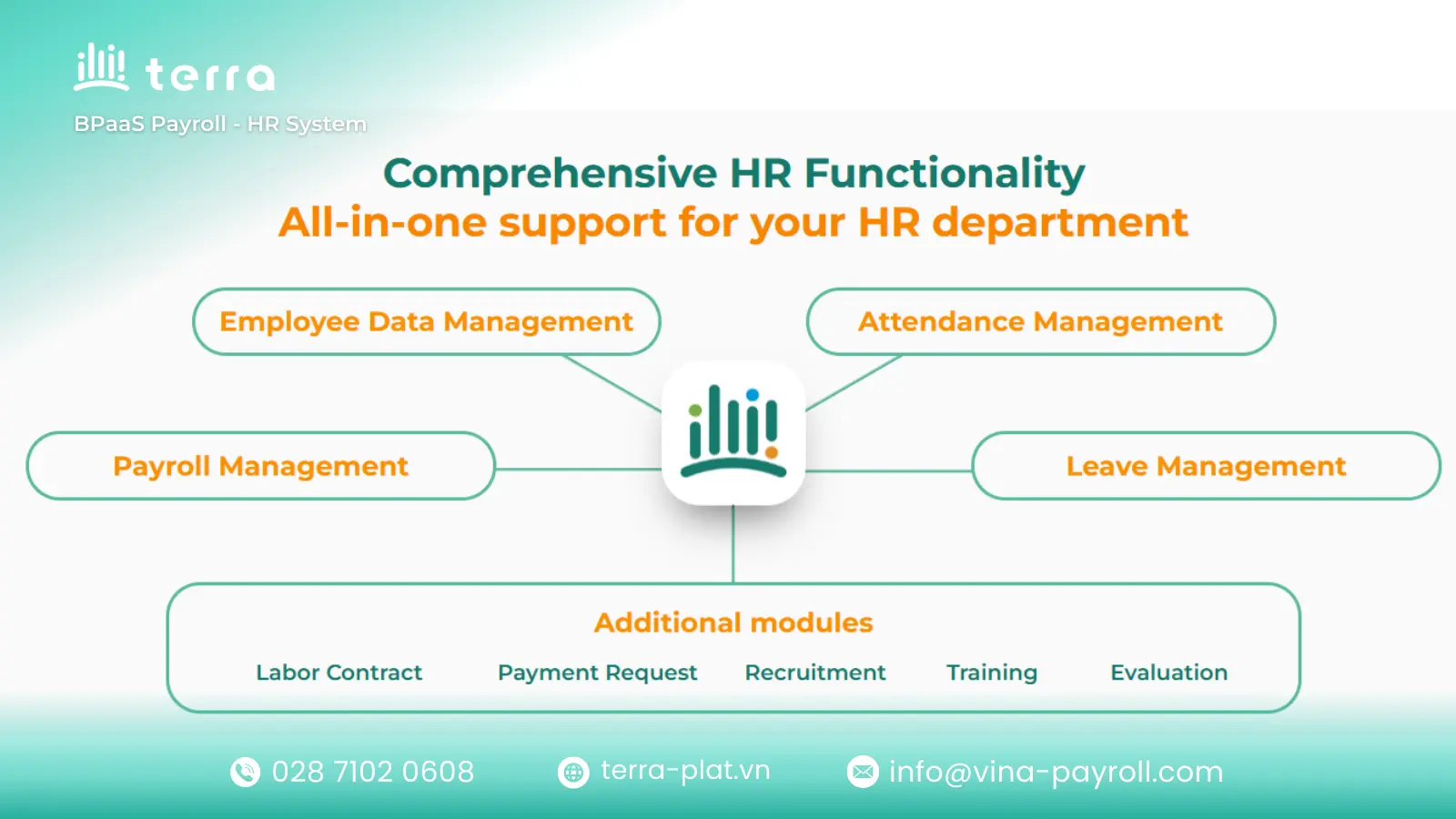
Employee training is most effective when embedded into a robust HR framework. Many businesses struggle to track progress and centralize employee data. The terra hr management system offers a comprehensive platform to integrate learning with overall HR management.
- Centralized employee records: Store work history, skills, and training paths in one secure place.
- Training progress tracking: Built-in analytics to monitor completion rates and skill improvements.
- Workforce development planning: Align employee growth with long-term business strategies.
- Flexible management: Support both in-office and remote learning environments seamlessly.
With terra hr platform, businesses can not only deliver impactful employee training but also connect it with broader HR processes creating a strong foundation for sustainable growth.
Conclusion
Employee training will continue to be a cornerstone of business success in 2025 and beyond. By choosing the right methods, leveraging technology, and adopting systems like terra HR System, companies can empower employees, close skill gaps, and maintain a lasting competitive edge.









