
Every manager eventually asks themselves, “How can I lead my team better?” The answer often lies in finding the right leadership style. With insights from terra, we help you move beyond basic management to become a true leader who inspires action. Let’s explore the 8 most common types, and identify your own approach.
What is a leadership style?
Before we analyze specific behaviors, we must establish a clear baseline. Leadership isn’t just about rank or title; it is a psychological and behavioral framework that dictates how a team functions. To truly master management, one must first break down the core definition of style and understand its profound impact on team dynamics and performance.
Definition
A leadership style is a leader’s characteristic behavior when directing, motivating, guiding, and managing groups of people. It is the cumulative effect of their philosophy, personality, and experience.
Essentially, it is the method a leader uses to implement plans and motivate their team. While the goals (what needs to be done) might be static, the style of leadership (how it gets done) varies significantly from person to person.
Why leadership style matters
Understanding your style is crucial because it directly impacts organizational culture. A mismatched style can lead to high turnover and low morale, while a compatible one fosters innovation and loyalty.
Furthermore, self-awareness regarding your style allows you to adapt. Great leaders are not stuck in one mode; they understand their natural tendencies and adjust them to fit the specific needs of the situation or the employee.
Leadership style and team performance
There is a direct correlation between leadership style and productivity. A style that empowers employees can lead to higher engagement and output. Conversely, a restrictive style might stifle creativity.
For instance, a crisis requires decisive action, while a creative brainstorming session needs a relaxed, open approach. The ability to align your style with the team’s immediate needs is the key to unlocking peak performance.
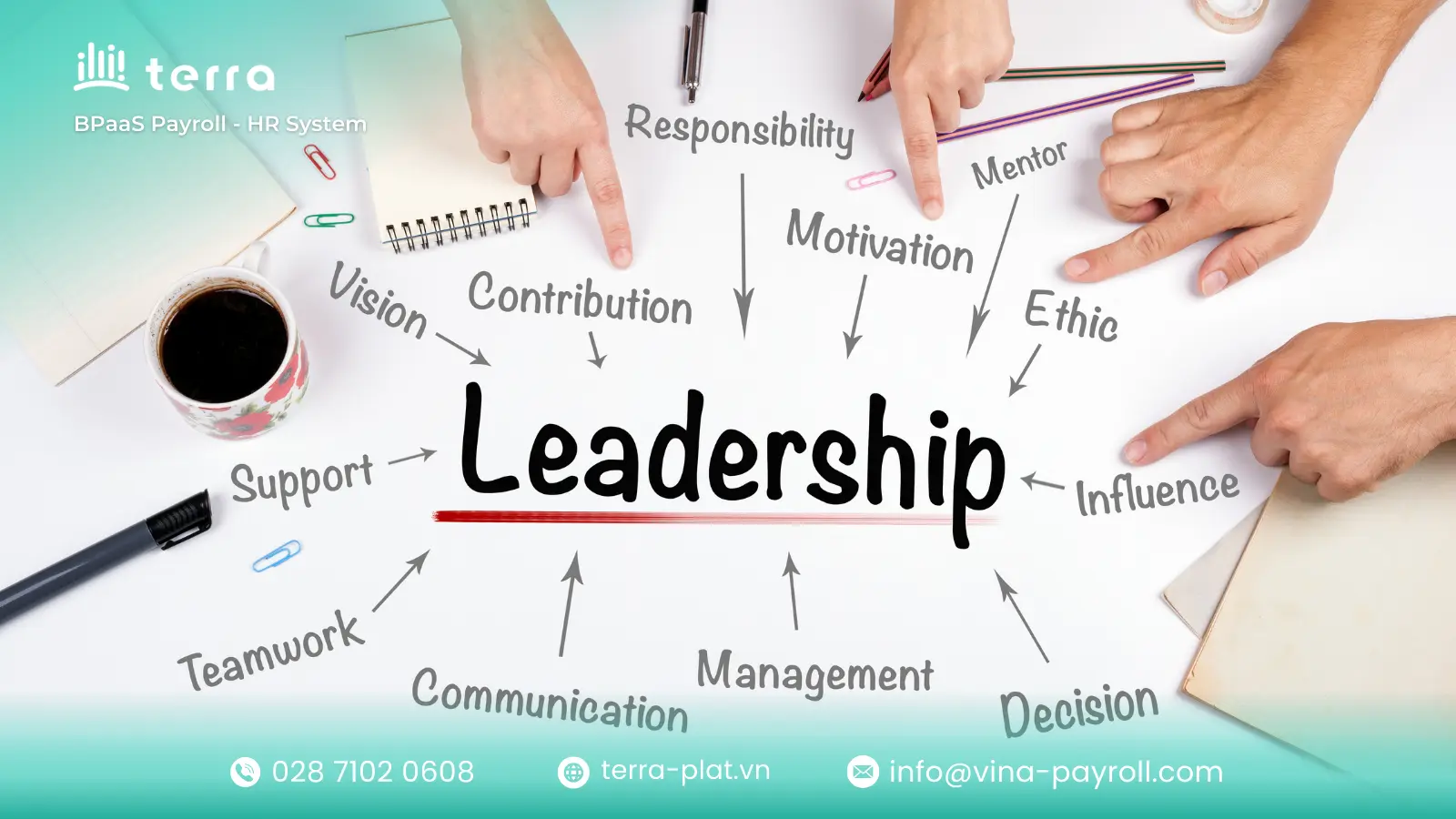
The 8 most common types of leadership style
Over decades, psychologists and business experts have identified distinct patterns in how leaders operate. While every leader is unique, most fall into one of these eight primary archetypes. When asking what are the different leadership styles, these are the fundamental categories you need to know.
Autocratic leadership style
Characteristics: The autocratic leader holds all authority and responsibility. In this “military” style, the leader makes decisions on their own without consulting subordinates. Communication is top-down, and obedience is expected.
When to Use It: This style is effective in crisis situations where quick decisions are vital, or when working with inexperienced team members who need clear, step-by-step instructions.
Advantages and Disadvantages:
- Pros: Decisions are made quickly; chains of command are clear; processes are streamlined.
- Cons: It kills creativity; employees feel undervalued; high risk of micromanagement and staff turnover.
Bureaucratic leadership style
Characteristics: Bureaucratic leaders focus on rules, procedures, and hierarchy. They ensure that everyone follows the “book” precisely. Power comes from the position, not necessarily the person.
When to Use It: This is essential in highly regulated industries (like finance or healthcare) or environments where safety risks are high (like heavy manufacturing), and strict adherence to protocol is mandatory.
Advantages and Disadvantages:
- Pros: Consistent results; high safety and compliance; clear roles and responsibilities.
- Cons: Extremely slow to adapt to change; stifles innovation; employees may feel like cogs in a machine.
Coaching leadership style
Characteristics: The coaching leader views their team as a reservoir of talent to be developed. They focus on identifying individual strengths and weaknesses, connecting personal goals with organizational targets.
When to Use It: Use this when you have a team that needs professional development and you are looking to build long-term strength and autonomy within the organization.
Advantages and Disadvantages:
- Pros: Creates a positive work environment; employees feel supported; builds long-term skills.
- Cons: Time-consuming; requires patience; ineffective if the employee is resistant to feedback or change.
Democratic leadership style
Characteristics: Also known as participative leadership, this style invites team members to contribute to the decision-making process. The leader still makes the final call, but the team’s input is heavily weighed.
When to Use It: This is best used when you need fresh ideas, want to solve complex problems, or need to build strong buy-in and consensus for a new initiative.
Advantages and Disadvantages:
- Pros: High employee engagement; creative solutions; strong team morale and trust.
- Cons: Decision-making can be slow; allows for “too many cooks in the kitchen”; can lead to procrastination.
Laissez-faire leadership style
Characteristics: Laissez-faire means “let them do.” These leaders provide the tools and resources but step back and let team members make decisions and solve problems on their own.
When to Use It: This works exceptionally well with highly skilled, experienced, and self-motivated experts (like creative directors or senior developers) who crave autonomy.
Advantages and Disadvantages:
- Pros: High job satisfaction for experts; encourages innovation and ownership.
- Cons: Damaging for inexperienced teams; lack of direction; projects can easily go off-track without accountability.
Pacesetter leadership style
Characteristics: The pacesetter leads by example and sets extremely high standards. They expect the team to perform at the same speed and quality as they do. The motto is: Do as I do, now.
When to Use It: Effective for short-term projects requiring fast results from a highly motivated and competent team.
Advantages and Disadvantages:
- Pros: Tasks are completed quickly and at a high standard (initially).
- Cons: High risk of employee burnout; leaders often end up doing the work themselves; can lower morale if targets are unrealistic.
Servant leadership style
Characteristics: The servant leader prioritizes the needs of the team above their own. They focus on the well-being of their people, believing that satisfied employees will perform better.
When to Use It: This is powerful for building a diverse team, healing a toxic culture, or in non-profit organizations where the mission is service-oriented.
Advantages and Disadvantages:
- Pros: High trust and loyalty; low turnover; strong ethical culture.
- Cons: Leaders can be perceived as “soft”; decision-making can be slower; risk of the leader being taken advantage of.
Learn more: How does commission work?
Visionary leadership style
Characteristics: Visionary leaders inspire people by painting a compelling picture of the future. They move people toward a shared dream. They say, “Come with me,” but let the team figure out how to get there.
When to Use It: Ideal when an organization needs a new direction, is undergoing a transformation, or is a startup trying to disrupt a market.
Advantages and Disadvantages: To fully understand this type, one must weigh the visionary leadership style advantages and disadvantages:
- Pros: Highly inspiring; unites the team; fosters innovation and big-picture thinking.
- Cons: Can overlook critical details and day-to-day operations; the vision may fail if not grounded in reality.

Tips for choosing the right leadership style
Finding your fit is not about picking a label and sticking to it forever. It is a dynamic process of aligning your natural personality with the specific demands of your business environment. Whether you are leading a creative startup or a structured corporation, the following tips will help you navigate the spectrum of styles to find what works best for you and your team.
Overview the different leadership styles?
There is no single best style. The most successful leaders are often situational. They might be a Democratic leader during planning but switch to an Autocratic style during a fire drill.
Understanding the spectrum from total control (Autocratic) to total freedom (Laissez-faire) helps you navigate complex human dynamics. The key is flexibility and emotional intelligence.
How to Identify your leadership style
Leadership style test One of the most objective ways to start is by taking a leadership style test. Assessments like DISC, Myers-Briggs (MBTI), or the Blake Mouton Grid can provide data-backed insights into your natural behaviors.
Reflective Question Ask yourself: what is your leadership style under pressure? Do you take control, or do you ask for help? Your default reaction in a crisis often reveals your true dominant style.
Case Study Look at your past successes and failures. Did a project fail because you didn’t give enough direction (Laissez-faire error)? Or did you lose a good employee because you micromanaged (Autocratic error)? Analyzing these moments helps refine your approach.
Learn more: Top 10 effective employee training methods for businesses in 2025

Frequently asked questions (FAQ) about leadership style
Leadership concepts can often feel abstract, but real-world application raises specific, practical questions. Whether you are a new manager or an experienced executive, doubts about adaptability, effectiveness, and skill development are common. Here are expert answers to the most frequent queries regarding leadership dynamics to help bridge the gap between theory and practice.
Can a leader use more than one leadership style?
Answer: Yes, absolutely.
This is called Situational Leadership. Effective leaders adapt their leadership style based on the task at hand, the competency of the team, and the urgency of the situation. Sticking to only one style is actually a limitation.
Are some leadership styles better for startups or mature companies?
Answer: Yes, the business stage matters.
Startups often benefit from Visionary or Pacesetting styles to drive rapid growth. Mature companies may prefer Democratic or Bureaucratic styles to ensure stability, process, and consensus among large teams.
Can you choose your leadership style or is it predetermined?
Answer: You can choose and develop it.
While personality plays a role, leadership is a skill. Through training, feedback, and practice, you can learn to adopt a leadership style that might not be your “natural” preference but is necessary for your role.
How can I measure the effectiveness of my leadership and management skills?
Answer: Through 360-degree feedback and team KPIs.
Look at objective metrics (team productivity, retention rates) and subjective feedback (anonymous surveys from peers and subordinates). If the team succeeds and stays, the leadership is effective.
Leadership styles vs leadership theories: What’s the difference?
Answer: Styles are behaviors; theories are frameworks.
Great Man Theory or Contingency Theory are academic frameworks explaining why leaders lead. Autocratic or Democratic are the practical styles describing how they behave in the real world.
What leadership styles are most effective?
Answer: The Democratic and Transformational (Visionary) styles are generally rated highest.
Research suggests the most effective leadership style for modern, knowledge-based workers is one that empowers them. However, effectiveness is always relative to the specific situation.

Learn more: What Is the Onboarding Process?
Leadership style in modern HR Management System – terra HR System
A leader cannot lead effectively if they are buried in paperwork. Administrative tasks distract from the strategic thinking required for Visionary or Coaching styles. The terra HR System is designed to free leaders from these burdens, automating operations so you can focus on managing people, not processes.
- Real-time Insights for decision making: With the terra HR Software, leaders gain instant access to team performance and attendance patterns. This data is crucial for Pacesetter or Bureaucratic leaders to monitor standards objectively without needing to micromanage daily tasks.
- Streamlined communication and transparency: The terra HR Solution fosters an open culture by centralizing information. This directly supports Democratic and Servant leaders by ensuring every team member has transparent access to the goals and updates they need to succeed.
- Operational foundation for growth: Ultimately, the terra HR Platform handles the complex noise of compliance and payroll. By removing these distractions, it allows any leader to step back, refine their personal style, and drive the organization toward its long-term vision.

Contact terra now for advice!
Conclusion
In conclusion, understanding your leadership style is a journey of self-discovery and adaptation. Whether you are Visionary, Democratic, or a Coach, the goal is to serve your team and achieve results. By leveraging tools like terra and constantly refining your approach, you can become the effective leader your organization needs.









